
Best Wall Art for Modern Homes in 2026 (Complete Buyer’s Guide)
Modern homes are defined by clean lines, open layouts, and intentional design.
But even the most beautiful space can feel unfinished without the right wall art.
In 2026, wall art is no longer just decoration — it’s what gives a home personality, balance, and visual warmth.
This guide will help you choose wall art that actually works in a modern interior, not just fills empty space.
 Why Wall Art Matters More in Modern Homes
Unlike traditional interiors that rely on heavy furniture and ornamentation, modern homes depend on fewer elements — which means every detail carries more visual weight.
Well-chosen wall art can:
-
Anchor an open space
-
Add depth without clutter
-
Introduce texture to minimalist rooms
-
Create a focal point instantly
-
Make a home feel complete rather than staged
Without it, modern spaces often feel cold or unfinished.
The 4 Types of Wall Art That Work Best in 2026
1. Large-Scale Statement Pieces
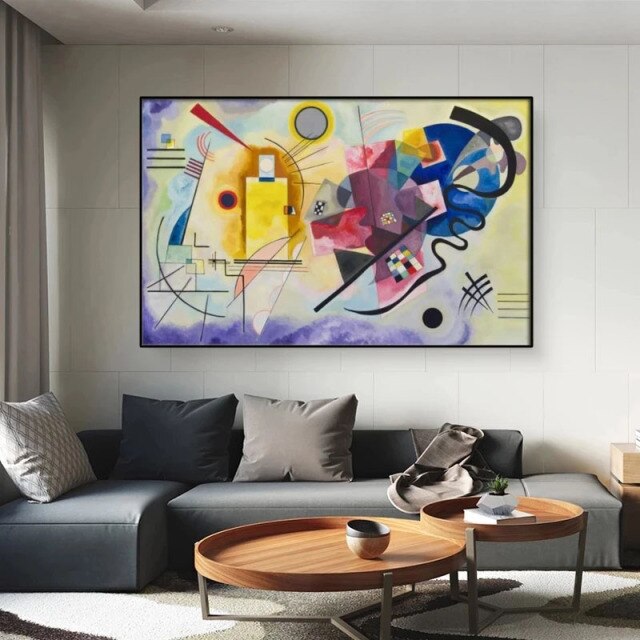
Modern interiors favor fewer, larger elements instead of many small decorations.
Oversized canvas art:
-
Reduces visual noise
-
Feels intentional and architectural
-
Works perfectly above sofas, beds, or consoles
This is the fastest way to elevate a space.
2. Minimalist Abstract Art
Minimal abstract compositions remain dominant because they complement:
-
Neutral color palettes
-
Scandinavian and Japandi influences
-
Open-concept layouts
They add interest without overwhelming the room.
3. Textured, Hand-Painted Styles
Flat prints are gradually being replaced by textured artwork that adds dimension.
Texture introduces:
-
Natural light interaction
-
Soft shadowing
-
A more premium, gallery-like feel
In modern homes where materials matter, this tactile quality makes a noticeable difference.
 4. Calm Neutral-Toned Artwork
The 2026 color direction leans toward:
-
Warm beiges
-
Soft whites
-
Earth tones
-
Muted greys
Wall art that follows this palette blends seamlessly while still creating visual interest.
How to Choose the Right Size (Most People Get This Wrong)
The biggest mistake homeowners make is choosing art that is too small.
Use this rule:
Your artwork should be 60%–75% of the width of the furniture below it.
Examples:
-
Above a 2.4 m sofa → artwork around 1.5 m wide
-
Above a queen bed → at least 120 cm wide
-
Large blank wall → go oversized rather than adding multiple small pieces
Modern design favors scale and simplicity.
Where to Place Wall Art for Maximum Impact
Living Room
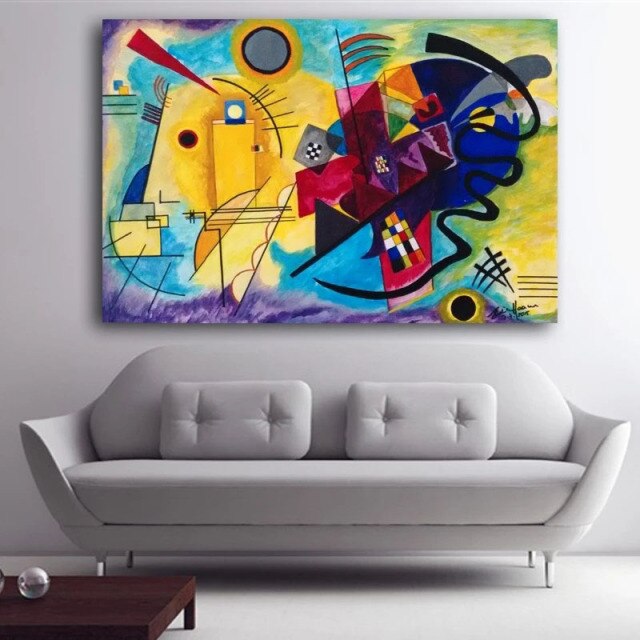
Place one large piece above the sofa to create a strong focal point.
Bedroom
Use calming compositions centered above the bed to reinforce relaxation.
Entryway
Introduce artwork immediately to set the tone of the home.
Dining Area
Choose horizontal pieces to visually widen the space.
What to Avoid in Modern Interiors
Not all wall art fits a modern home. Avoid:
✖ Tiny, scattered frames
✖ Overly busy compositions
✖ Trend-based typography prints
✖ Matching “set of three” pieces that feel generic
✖ Art that competes with furniture instead of supporting it
Modern design rewards restraint and clarity.
How Wall Art Changes the Feeling of a Space
When chosen correctly, wall art can make a room feel:
-
Larger (through scale and proportion)
-
Warmer (through tone and texture)
-
More intentional (through simplified composition)
-
Less cluttered (by replacing multiple small decor items)
It’s one of the few upgrades that transforms a space without renovation.
Quick Checklist Before You Buy
Ask yourself:
✔ Does this piece match the overall tone of the room?
✔ Is it large enough to anchor the space?
✔ Will it still feel timeless in 3–5 years?
✔ Does it add calm rather than noise?
✔ Does it complement the architecture, not fight it?
If the answer is yes — you’ve found the right piece.
 Final Thoughts
Modern homes are not about adding more.
They’re about choosing better.
The right wall art acts as both design and atmosphere — bringing together furniture, light, and space into something that feels finished and lived-in.
In 2026, investing in fewer, larger, and more intentional pieces is the direction homeowners are taking to create interiors that feel calm, refined, and enduring.
Next Step: Explore styles that align with your space, measure your wall correctly, and choose one piece that truly anchors the room. Start with impact — everything else can follow.