
Calming Wall Art: How to Create a Peaceful Home Environment Through Visual Design
Your home should help you slow down.
But many interiors unintentionally do the opposite — too many objects, harsh contrasts, and visual noise can make a space feel restless instead of relaxing.
The right wall art can change that.
Calming artwork doesn’t just decorate your walls.
It shapes how your space feels every single day.
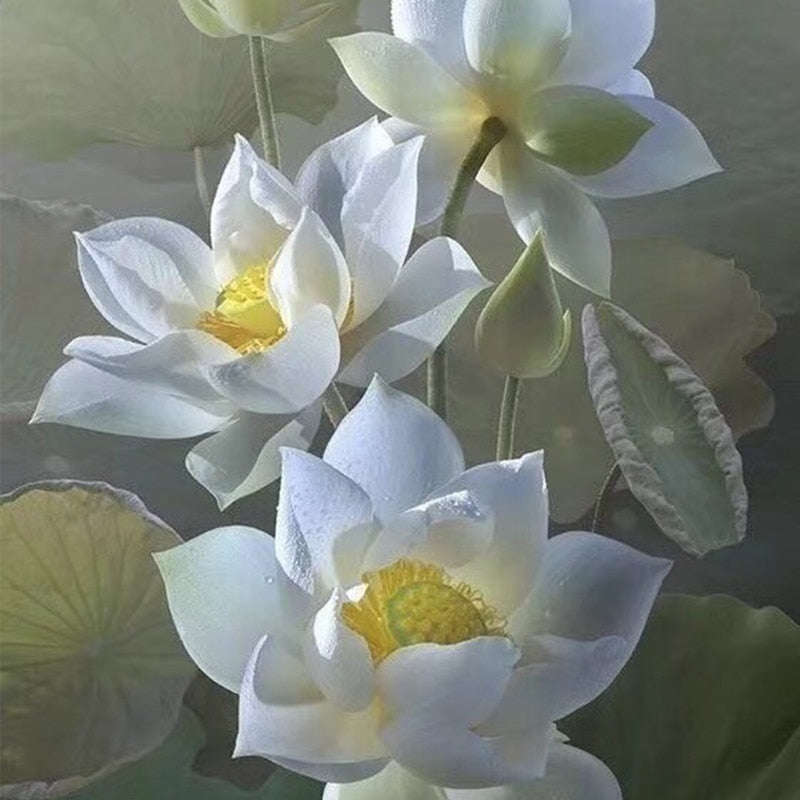
Why Wall Art Affects Mood More Than You Think
Large visual surfaces (like walls) strongly influence how we experience a room.
Busy imagery can overstimulate the brain.
Balanced compositions and soft tones signal calmness and stability.
That’s why thoughtfully chosen art can make a home feel:
-
More restful
-
More spacious
-
Less cluttered
-
Emotionally grounding
It’s design that works on a psychological level.
1. Choose Soft, Natural Color Palettes
Colors associated with calm environments include:
-
Warm whites
-
Soft beige and sand tones
-
Gentle greys
-
Muted greens or earth hues
-
Low-contrast monochromes
These tones reflect light evenly and reduce visual tension.
Avoid overly saturated colors if your goal is relaxation.
2. Look for Artwork With Breathing Room
Calming art often contains negative space — areas without heavy detail.
This allows the eye to rest rather than constantly process information.
Abstract pieces, soft landscapes, and minimal compositions are especially effective.
3. Avoid High-Contrast, High-Energy Imagery
Sharp contrasts and intense visuals may feel exciting, but they rarely feel peaceful in daily living environments.
For a calming home, skip:
-
Loud graphic prints
-
Highly detailed scenes
-
Extreme black-and-white contrast
-
Fast, chaotic compositions
Instead, focus on balance and flow.

4. Go Larger — Fewer Pieces Create More Calm
Multiple small artworks can fragment attention.
One larger canvas:
-
Simplifies the room
-
Creates visual stability
-
Reduces clutter automatically
-
Feels more intentional
Calm spaces rely on clarity, not quantity.
5. Use Organic Shapes and Natural Inspiration
Humans naturally respond to forms found in nature.
Artwork that includes:
-
Soft curves
-
Horizon lines
-
Abstract landscapes
-
Textural brushwork
can subtly evoke the same calm we feel outdoors.
6. Let the Artwork Lead the Room
Once calming art is installed, avoid competing décor nearby.
Give it space:
-
Don’t overcrowd with shelves or decorations
-
Keep surrounding colors supportive
-
Allow the artwork to define the atmosphere
Restraint strengthens the effect.
Best Rooms to Use Calming Wall Art
Bedrooms
Encourages rest and mental quiet before sleep.
Living Rooms
Balances daily activity with visual comfort.
Home Offices
Reduces cognitive overload and improves focus.
Entryways
Sets a gentle emotional tone as you enter the home.
Common Mistakes When Trying to Create a “Calm” Space
✖ Using trendy but visually loud artwork
✖ Adding too many decorative elements around the art
✖ Choosing pieces that are too small to anchor the room
✖ Mixing too many styles at once
✖ Treating calm as “empty” rather than intentional
Calm design is deliberate — not minimal by accident.
The Calm Interior Formula
Soft color + simple composition + confident scale + space to breathe.
That combination creates an environment that feels restorative rather than stimulating.

Final Thoughts
Your walls are the largest visual element in your home — which makes them the most powerful place to shape how you feel in it.
Choosing calming wall art is less about decoration and more about creating a space that supports everyday well-being.
Because good design isn’t just something you see.
It’s something you experience.
Next Step: We can now build a high-conversion buying guide article (commercial intent) to capture readers ready to purchase after exploring these inspirations.