
How to Create a Focal Point in Any Room Using Wall Art
Every well-designed room has one thing in common:
A clear focal point.
Without it, a space feels scattered.
With it, everything feels intentional.
Wall art is one of the easiest and most powerful ways to establish that focal point — without renovating, replacing furniture, or redesigning the entire room.
Here’s how to do it properly.
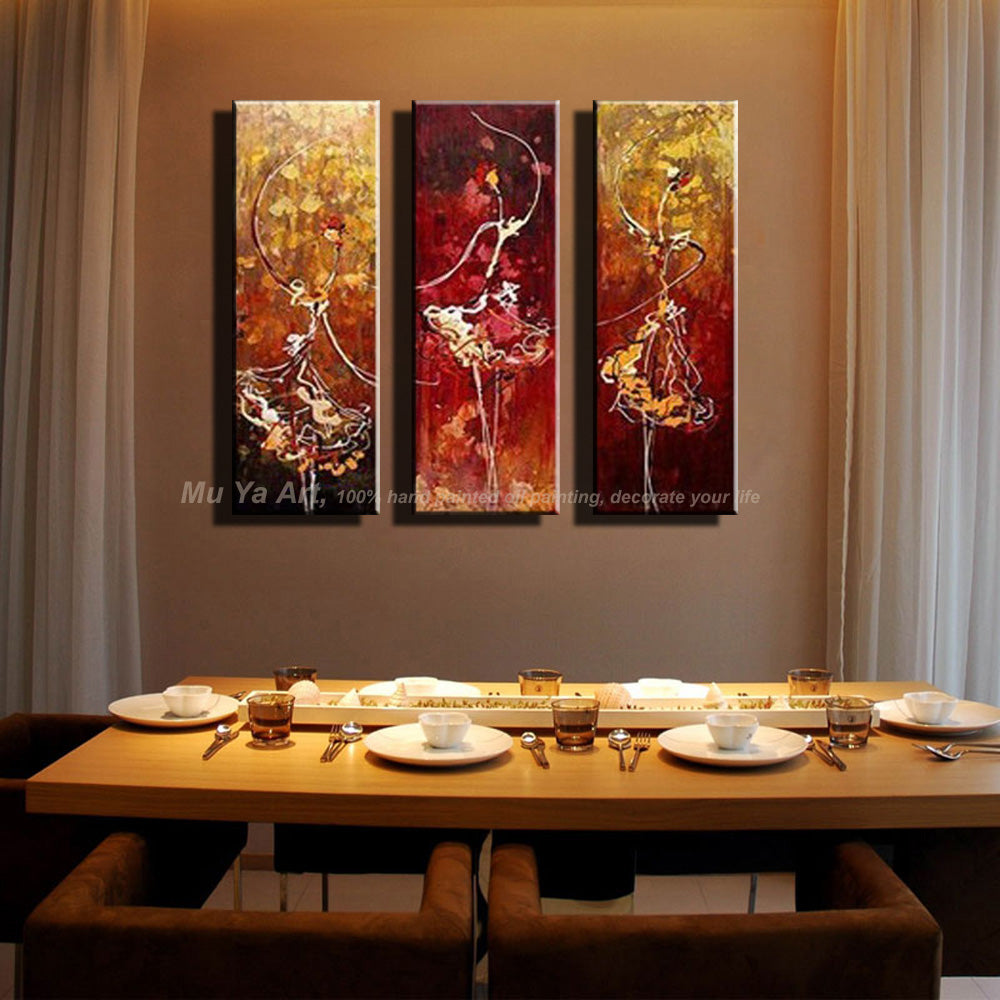
1. Decide Where the Eye Should Land First
Walk into your room and ask:
Where do I naturally look?
If the answer is:
-
Nowhere specific
-
Everywhere at once
-
Straight at clutter
You need a visual anchor.
Common focal point placements:
-
Above the sofa
-
Above the bed
-
Above a console table
-
On the largest uninterrupted wall
Choose one dominant location — not multiple competing spots.
2. Use Scale to Command Attention
A focal point must feel intentional.
The easiest way to achieve this?
Size.
Small artwork rarely creates presence on large walls.
Oversized pieces create immediate structure.
For sofas and beds:
-
Artwork should span 60–75% of the furniture width
-
Hang 6–10 inches above the furniture
Correct proportion makes the art feel integrated — not floating.
3. Simplify Surrounding Elements
A focal point only works when the surrounding area supports it.
If you choose bold statement art:
-
Keep adjacent decor minimal
-
Avoid clutter on nearby shelves
-
Limit competing colors
Let the art breathe.
Negative space enhances impact.
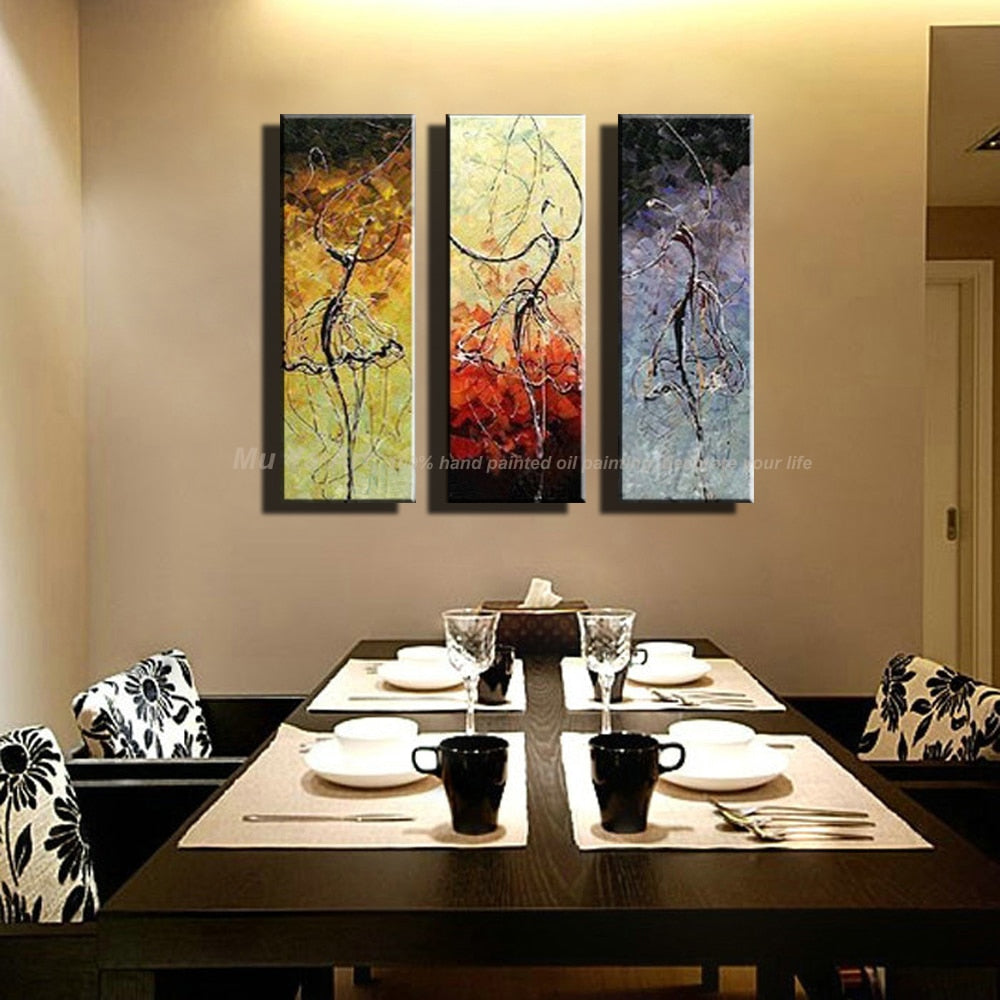
4. Use Contrast Strategically
Contrast creates attention.
Examples:
-
Light artwork on a dark wall
-
Dark abstract art on neutral furniture
-
Textured canvas in a smooth modern room
Contrast doesn’t mean chaos — it means visual emphasis.
The eye is naturally drawn to difference.
5. Avoid Multiple Competing Focal Points
Many rooms fail because everything tries to stand out.
Examples of visual conflict:
-
Large TV + busy gallery wall
-
Bold wallpaper + oversized art
-
Statement sofa + statement artwork
Choose hierarchy.
If your TV dominates the room, consider subtle art nearby.
If you want art to lead, reduce other visual noise.
Strong design is about control.
6. Consider the Room’s Function
Different spaces require different focal strengths.
Living Room:
Confident statement piece above the sofa works best.
Bedroom:
Soft but structured art above the bed creates calm authority.
Dining Room:
Artwork should feel slightly dramatic to enhance ambiance.
Match visual intensity to emotional purpose.
7. Anchor with Intention — Not Decoration
Focal points are not filler decor.
They should:
-
Reflect your aesthetic direction
-
Reinforce the room’s color palette
-
Stabilize the layout
When done right, the room feels grounded.
The Designer Formula for Focal Success
One dominant piece
Correct proportion
Clear surrounding space
Intentional contrast
That’s it.
You don’t need dozens of decorative objects.
You need one confident anchor.
Ready to Define Your Space?
If your room feels unfinished or visually scattered, start by choosing one statement-scale artwork designed to anchor modern interiors with balance and architectural alignment.
SallyHomey collections focus on proportion and presence — helping you create a focal point without overwhelming the space.
Explore curated designs or continue reading our styling guides to refine your home with clarity and confidence.
Next in this series: The Perfect Height to Hang Wall Art (Designer Measurements You Should Follow).