
Gallery Wall for Small Spaces: How to Add Personality Without Creating Clutter
Gallery walls are often associated with large homes — but they can work beautifully in small apartments too.
The key difference?
In compact spaces, a gallery wall must be structured and intentional, not decorative overload.
Done right, it adds personality without sacrificing the openness you need in a smaller home.
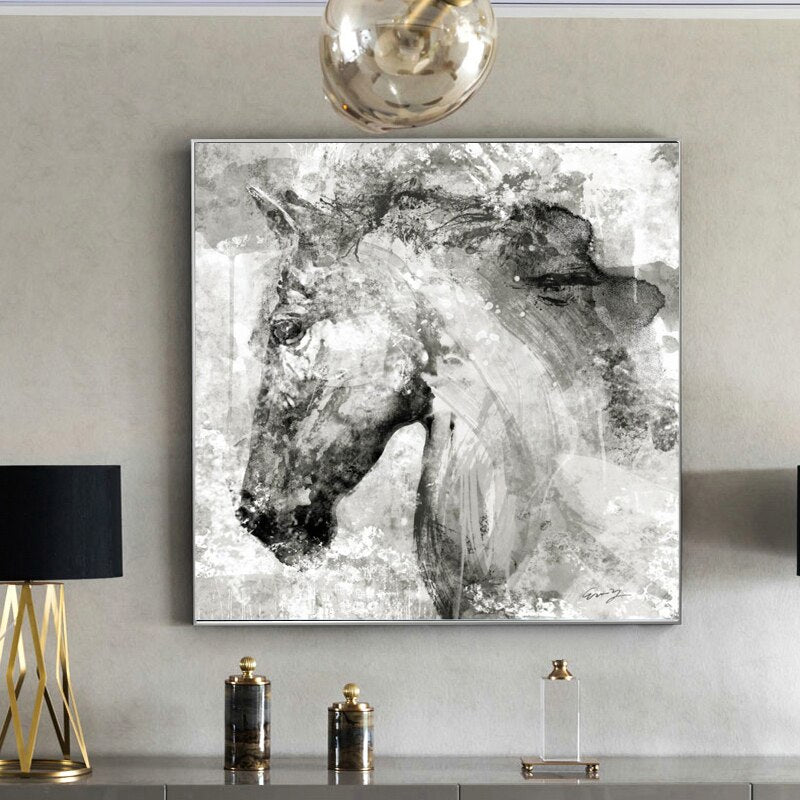
1. Think “Compact Composition,” Not Wall Coverage
In small spaces, your gallery wall shouldn’t spread across the entire wall.
Instead, treat it like a defined visual block:
-
Keep the arrangement within a clear boundary
-
Let empty space surround it
-
Avoid expanding outward over time
A contained layout feels curated, not chaotic.
2. Use Fewer Pieces Than You Think
A common mistake is adding too many artworks.
Ideal number for small spaces:
3 to 5 pieces total.
That’s enough to create interest without overwhelming the room.
Quality and cohesion matter more than quantity.
3. Keep Spacing Tight and Consistent
Closer spacing helps multiple pieces read as one composition.
Recommended gap:
3–5 cm between frames or panels.
Wider gaps make the wall feel fragmented — something small rooms can’t afford.
4. Stick to a Unified Color Palette
To prevent visual clutter, choose artworks that share:
-
Similar tones
-
A consistent background color
-
Matching contrast levels
When colors relate, the eye reads the gallery wall as a single design element.
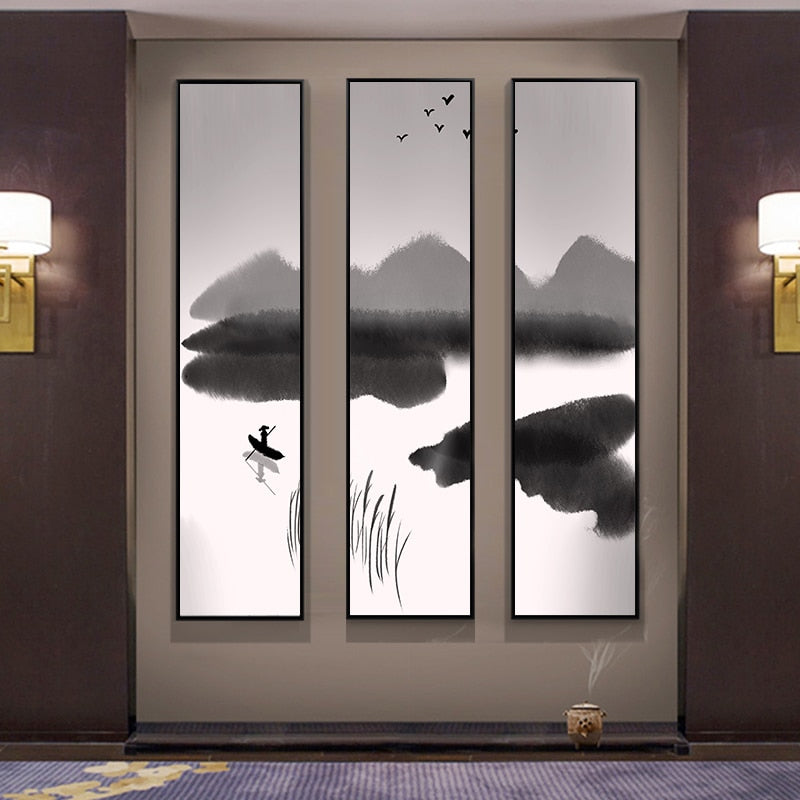
5. Choose Medium Sizes Instead of Tiny Frames
Tiny artworks can feel scattered.
Instead, mix:
-
One slightly larger anchor piece
-
Supporting medium-sized works
This creates hierarchy and makes the arrangement feel intentional.
6. Align the Gallery With Furniture Below
Just like a single artwork, your gallery wall should connect to the furniture beneath it.
Width guideline:
Total gallery width ≈ 60–70% of the furniture width.
This keeps the composition grounded and proportional.
7. Use Simple Frames or Frameless Canvas
In small interiors, visual simplicity is essential.
Choose:
-
Thin frames in neutral tones
-
Or clean gallery-wrapped canvas
Avoid heavy, ornate frames that visually shrink the space.
8. Plan the Layout Before Hanging
Always test your arrangement first:
-
Lay pieces on the floor
-
Adjust spacing and alignment
-
Take a photo to preview balance
Planning prevents unnecessary holes — and helps you refine scale.
Best Locations for a Small-Space Gallery Wall
Gallery walls work especially well in:
-
Above a compact sofa
-
Along a short hallway
-
Near a dining nook
-
In entryways needing personality
-
Above a desk or workspace
These zones benefit from character without requiring oversized art.
Common Mistakes to Avoid
✖ Using too many small frames
✖ Mixing unrelated styles or colors
✖ Spreading the layout too wide
✖ Choosing heavy frames
✖ Hanging pieces too far apart
In small spaces, restraint creates elegance.
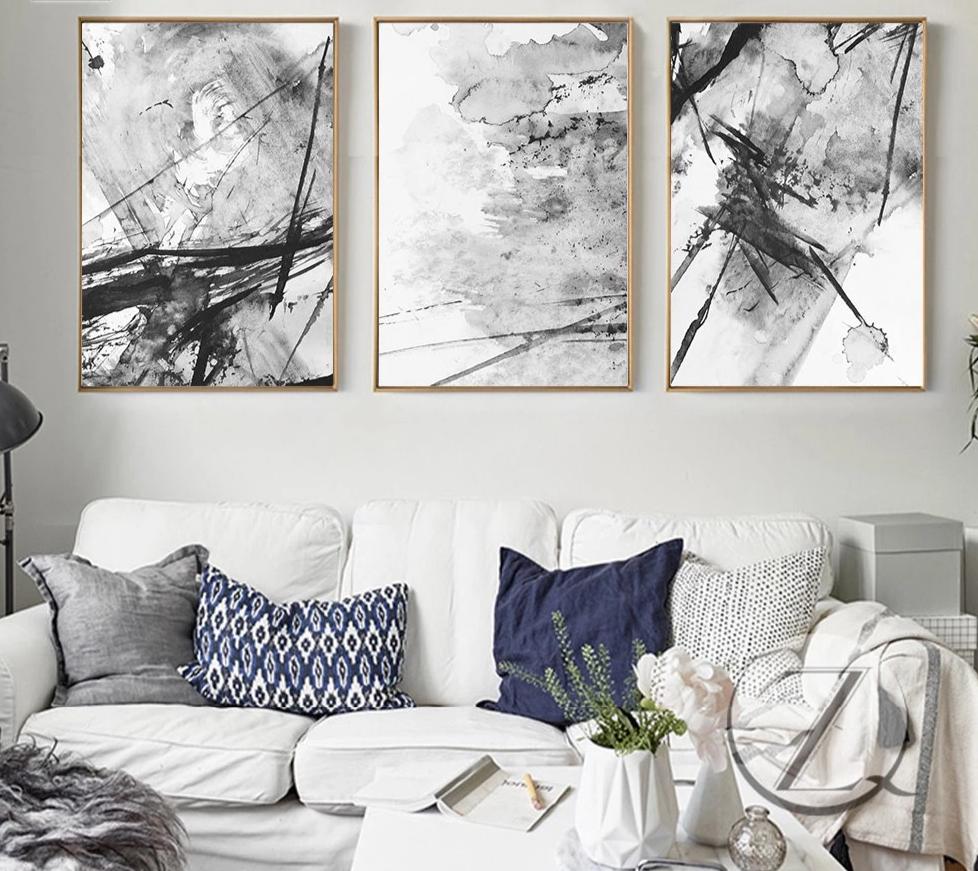
The Small Gallery Wall Formula
Limit the number of pieces → Keep spacing tight → Maintain color harmony → Contain the layout.
Follow this, and even a compact wall can feel thoughtfully designed.
Final Thoughts
A gallery wall doesn’t need a large home — just a clear structure.
When scaled and arranged correctly, it becomes a focal point that adds personality while keeping your apartment calm, open, and visually balanced.
Small spaces thrive on intentional design — and a well-planned gallery wall delivers exactly that.
Next Step: Learn how to choose calming wall art that transforms your home into a more relaxing, restorative environment.