
How to Choose the Right Canvas Size for Your Wall (Avoid This Mistake!)
Most people don’t choose the wrong wall art.
They choose the wrong size.
A beautiful piece that’s too small instantly makes a room feel awkward, unfinished, and unbalanced. This is the #1 mistake homeowners make when buying canvas art online.
The good news? There’s a simple formula to get it right every time.
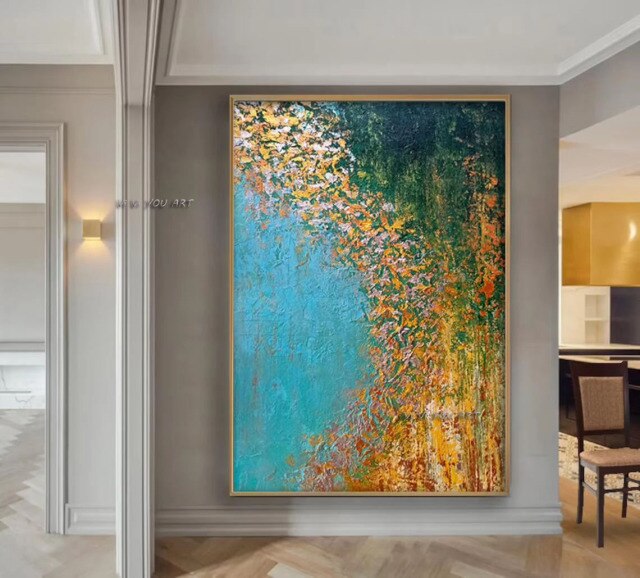 Why Size Matters More Than Style
In modern interiors, scale creates impact.
Even the most stunning artwork will look insignificant if it doesn’t relate properly to the wall or furniture around it. The right size:
-
Anchors the room visually
-
Makes ceilings feel taller and spaces larger
-
Creates a designer-level focal point
-
Prevents the “floating art” problem
Think proportion first, aesthetics second.
The Golden Rule Designers Use
Your canvas should measure 60%–75% of the width of the furniture below it.
This keeps the artwork visually connected to the space rather than looking like an afterthought.
Example:
-
Sofa width: 240 cm
-
Ideal artwork width: 145–180 cm
This proportion feels natural to the eye because it mirrors architectural balance.
Common Sizing Mistakes to Avoid
❌ Choosing Art That Is Too Small
Small canvases create visual noise instead of presence.
If you feel the urge to add multiple pieces to compensate, the original size was wrong.
❌ Hanging Art Too High
Artwork should sit at eye level, not near the ceiling.
Center point should be roughly 145–150 cm from the floor.
❌ Using Multiple Tiny Frames on Large Walls
Large walls need scale, not fragmentation.
❌ Matching Canvas Size to Wall Instead of Furniture
Art relates to what’s below it — not the empty wall itself.
Size Guide by Room Type
Living Room (Above Sofa)
-
Go large and horizontal
-
Width: about two-thirds of the sofa
-
Height: 70–100 cm for balance
Bedroom (Above Bed)
-
Width: slightly narrower than the bed frame
-
Keep composition calm and centered
-
Avoid multiple small pieces
Dining Area
-
Horizontal works best to visually widen the space
-
Choose medium-to-large format depending on table length
Entryway or Hallway
-
Use one strong statement piece
-
Avoid gallery walls unless the space is very long
What If You Have a Large Blank Wall?
Bigger is better.
Oversized artwork:
-
Simplifies the design
-
Makes rooms feel intentional
-
Eliminates the need for extra décor
-
Works especially well in open-plan homes
If you’re debating between medium and large, choose large.
Vertical vs. Horizontal Canvas: Which One Should You Pick?
Horizontal Canvas
-
Best for sofas, beds, and dining walls
-
Creates stability and calm
Vertical Canvas
-
Ideal for narrow walls or corners
-
Adds height and elegance
Square Format
-
Works well in minimalist interiors
-
Feels balanced and architectural
Choose orientation based on the shape of the wall — not just the artwork.
A Quick Visual Test Before Buying
Before committing, try this:
-
Use painter’s tape to outline the artwork size on your wall.
-
Step back 3–4 meters.
-
If it feels small now, it will feel even smaller once installed.
This simple step prevents most sizing regrets.
The Psychology of Properly Scaled Art
When wall art is correctly sized, a room feels:
-
More expensive
-
More cohesive
-
More relaxed to look at
-
Less cluttered
Good proportion reduces visual tension — which is why professionally designed homes feel calm without adding more objects.
 Final Checklist Before You Purchase
✔ Width is at least 60% of furniture below
✔ Artwork is large enough to anchor the space
✔ Orientation matches wall shape
✔ Placement will sit at eye level
✔ You chose impact over hesitation
If you checked all five, you’re making the right decision.
Final Thoughts
Choosing the right canvas size isn’t complicated — but it makes all the difference.
When scale is correct, even simple artwork looks elevated.
When scale is wrong, even expensive art looks misplaced.
Start with proportion, then choose a piece that complements your home.
That’s the secret designers use — and now you can too.
Next Read: Learn how to style wall art specifically for smaller living spaces without overcrowding.