
How to Decorate a Blank Wall Without Renovating (Simple Ideas That Actually Work)
A blank wall can make an entire room feel incomplete.
It doesn’t matter how nice your furniture is — when a large wall is empty, the space often feels cold, unfinished, or lacking personality.
The good news? You don’t need to paint, build, or renovate to fix it.
You just need to approach the wall with intention.
 Why Blank Walls Feel Uncomfortable
Large empty surfaces create visual imbalance.
Your eye naturally looks for a focal point, and when there isn’t one, the room can feel unsettled.
Thoughtful wall décor solves this by:
-
Anchoring the space
-
Creating structure
-
Adding warmth without adding clutter
-
Making the room feel designed instead of temporary
1. Start With One Statement Piece
The easiest and most effective solution is also the simplest: use one well-scaled artwork.
Instead of trying to “fill” the wall with multiple objects, a single large piece:
-
Establishes a focal point instantly
-
Keeps the room calm and uncluttered
-
Feels modern and intentional
This approach works especially well in contemporary homes.
2. Choose Size Based on the Wall — Not the Artwork
Many people pick art they like first, then try to make it work.
Instead:
-
Measure the available wall width
-
Select a piece that occupies roughly two-thirds of that space
-
Let scale create the visual impact
Large walls require confidence in proportion.
3. Use Texture to Add Depth Without Construction
You don’t need paneling or wall treatments to make a wall feel rich.
Textured artwork can introduce:
-
Subtle shadows as light changes
-
A sense of material depth
-
A more finished architectural feel
It’s one of the easiest ways to add dimension without altering the wall itself.
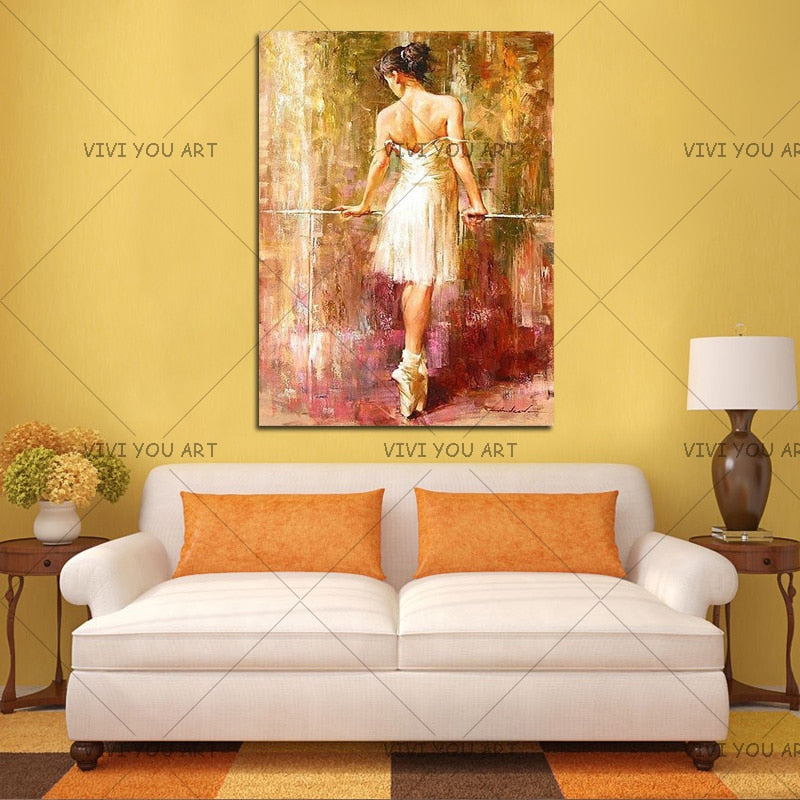
4. Keep the Color Palette Calm and Cohesive
When decorating a blank wall, avoid artwork that shouts for attention.
Instead, choose tones that relate to the room:
-
Warm neutrals
-
Soft contrasts
-
Natural hues
This integrates the wall into the space rather than turning it into a separate visual element.
5. Resist the Urge to Overfill the Space
One of the most common mistakes is adding multiple small pieces to avoid emptiness.
But too many objects:
-
Break visual flow
-
Make the wall feel busy
-
Reduce the impact of each item
Let the wall breathe — negative space is part of the design.
6. Position Artwork to Connect With Furniture
A statement piece should relate to what’s below it.
For example:
-
Above a sofa → leave a small gap so the art feels grounded
-
Above a console → align the width with the furniture
-
On a standalone wall → center at eye level
This connection is what makes the décor feel intentional.
7. Think of the Wall as Part of the Architecture
Instead of treating décor as an add-on, think of artwork as shaping how the room is experienced.
The right piece can:
-
Define zones in open layouts
-
Guide movement through the space
-
Balance natural light and furniture placement
It becomes part of how the room functions visually.
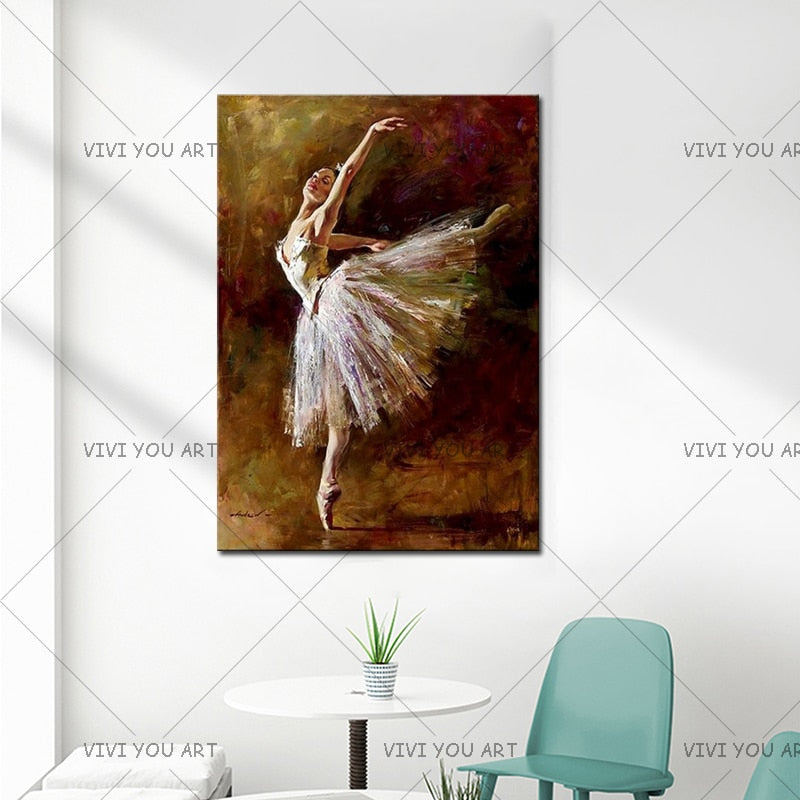 A Simple Formula You Can Follow Today
If you’re unsure where to start, try this:
Large wall → One large artwork → Calm tones → Proper placement.
That combination alone can transform the feeling of the entire room.
Final Thoughts
You don’t need renovation to solve a blank wall.
You need scale, balance, and restraint.
When approached thoughtfully, wall décor can turn empty space into a defining feature of your home — without tools, construction, or complexity.
Start with one intentional piece, and let the transformation happen naturally.
Next Step: Explore renter-friendly wall décor ideas that let you style your space without damaging walls or making permanent changes.