
How to Decorate a Blank Wall Without Making It Look Overdone
An empty wall can feel intimidating.
Most people respond by adding more — more frames, more shelves, more objects — until the space feels busy but still somehow unfinished.
The truth is, a blank wall doesn’t need to be filled.
It needs to be defined.
Here’s how designers approach empty walls so they feel intentional, balanced, and visually strong — without overwhelming the room.
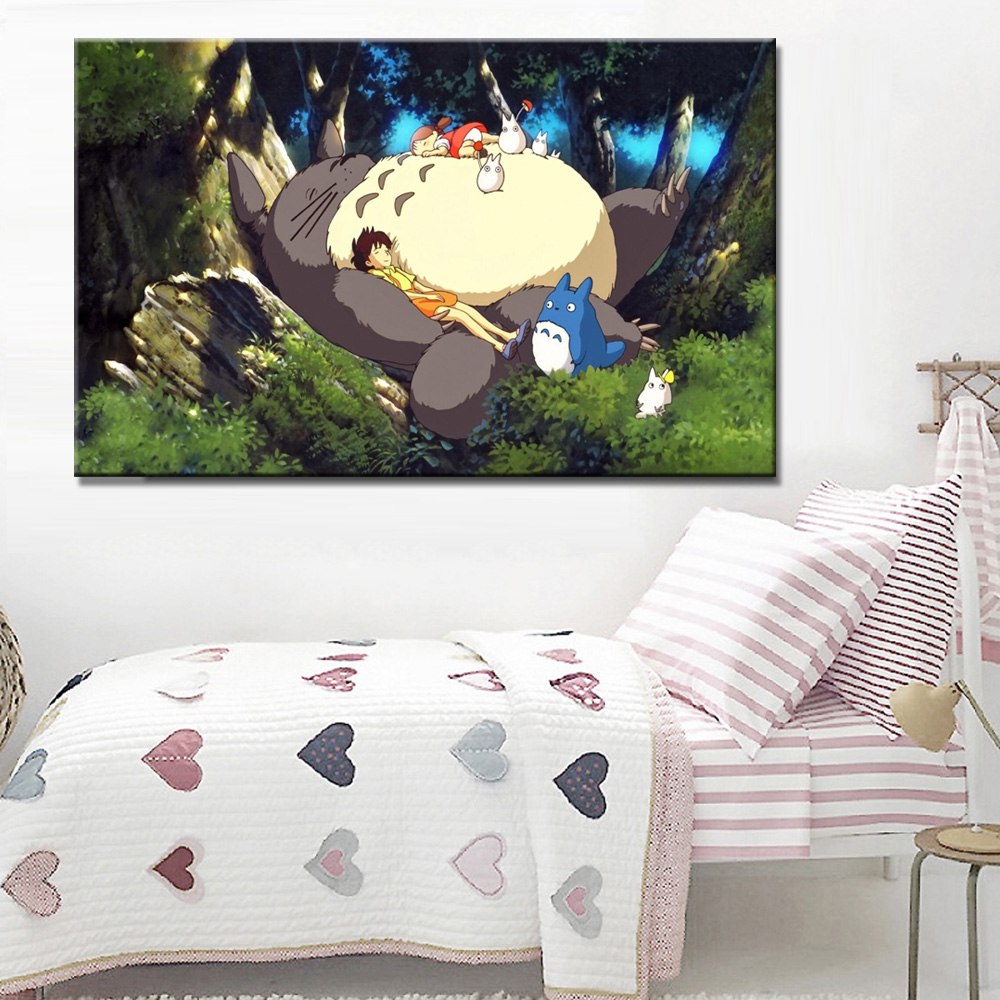
1. Stop Thinking “Fill the Space.” Start Thinking “Create a Moment.”
A well-designed wall isn’t packed with decoration.
It has a clear purpose.
Ask yourself:
-
Should this wall feel calm or expressive?
-
Is it meant to anchor the room or quietly support it?
Once you decide the role, the choices become simpler — and fewer.
2. Use One Statement Piece as the Foundation
Instead of layering multiple elements, begin with a single artwork that establishes presence.
A large-scale piece:
-
Gives the wall identity
-
Reduces visual noise
-
Creates structure for the rest of the room
-
Feels modern rather than cluttered
Designers often call this “letting the wall speak in one voice.”
3. Respect Proportion (This Changes Everything)
A common mistake is hanging decor that’s too small for the wall, which leads people to keep adding more to compensate.
Follow this simple rule:
Your main wall piece should occupy about two-thirds of the available width.
When proportion is correct, the wall already feels complete — no extras needed.
4. Let Negative Space Do Its Job
Empty space is not a failure of design.
It’s what allows the focal element to stand out.
By leaving room around your wall decor:
-
The space feels calmer
-
The art gains importance
-
The room appears larger and more refined
This is why modern interiors often feel simpler but stronger.

5. Limit Supporting Elements
If you add accents, keep them subtle:
-
A low-profile console
-
A neutral textile
-
A single sculptural object
These should support the wall — not compete with it.
Think of them as background, not decoration.
6. Choose Texture Over Quantity
If the wall still feels flat, don’t add more items.
Choose a piece with material depth — layered tones, soft movement, or tactile quality.
Texture creates richness without introducing clutter.
It’s the difference between a wall that looks styled and one that looks filled.
7. Step Back and Edit
Designers rarely get it right on the first try. They adjust, remove, and refine.
After decorating:
Stand across the room and ask,
“Does this feel calm or crowded?”
If your eye doesn’t know where to land, simplify.
A Blank Wall Is an Opportunity, Not a Problem
When approached thoughtfully, an empty wall can become the strongest visual feature in your home — not because it’s full, but because it’s intentional.
Decoration is easy.
Restraint is what makes a space feel designed.
Ready to Turn an Empty Wall Into a Defining Feature?
Explore statement-scale pieces created to anchor modern interiors without overcomplicating them. SallyHomey focuses on balance, proportion, and simplicity — helping homeowners transform blank spaces into calm, intentional environments.
Discover designs that complete a wall without overwhelming it, or continue reading our guides to build your space step by step.
Next in this series: Modern Wall Art Trends That Actually Last (Not Just Seasonal Fads).