
How to Make a Room Look Expensive Using Wall Art (Without Spending a Fortune)
Minimalist interiors are often misunderstood.
Many people assume minimalism means having less on the walls — or worse, leaving them blank.
But true minimalism is not about emptiness. It’s about intentional choice.
The right wall art plays a crucial role in making a minimalist home feel calm, balanced, and complete rather than stark or unfinished.
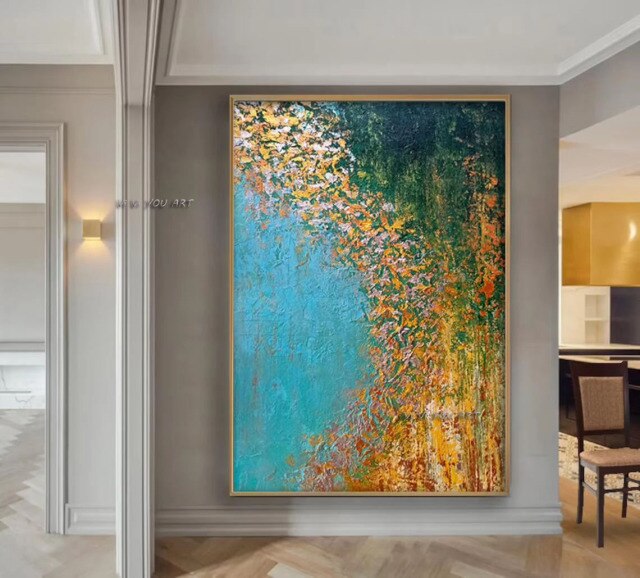 Why Minimalist Spaces Still Need Wall Art
Without thoughtful elements, minimalist rooms can feel cold or impersonal.
Wall art helps:
-
Introduce warmth without clutter
-
Define focal points in open layouts
-
Add depth through material and texture
-
Prevent the space from feeling unfinished
In minimalist design, each piece carries more visual importance — which makes choosing carefully even more essential.
1. Focus on Fewer, Larger Pieces
Minimalist styling favors presence over quantity.
Instead of arranging multiple small frames, choose one substantial piece that anchors the wall.
This creates:
-
Visual calm
-
A strong sense of structure
-
Less distraction for the eye
One intentional artwork often has more impact than five decorative ones.
2. Choose Soft, Restrained Color Palettes
Minimalist wall art works best when it supports the room’s natural tones.
Look for:
-
Warm neutrals
-
Muted contrasts
-
Gentle tonal transitions
-
Earth-inspired hues
Avoid overly bright or saturated colors, which can disrupt the sense of balance.
3. Let Texture Replace Complexity
Minimalist art doesn’t rely on detailed imagery — it relies on surface and form.
Subtle texture can:
-
Catch natural light
-
Add dimension without visual noise
-
Bring tactile richness to simple spaces
This is what keeps minimalist interiors from feeling flat.
4. Use Negative Space Intentionally
Empty space is not a gap to fill — it’s an active design element.
Allow breathing room around artwork so the composition feels balanced rather than crowded.
This spacing:
-
Enhances the artwork’s presence
-
Makes rooms feel larger
-
Reinforces the calm aesthetic associated with minimalism
5. Align Artwork with Architectural Lines
In minimalist homes, alignment matters.
Hang artwork so it relates clearly to furniture and structure:
-
Centered above a sofa or bed
-
Parallel to clean architectural edges
-
Positioned at natural eye level
Precision in placement helps the space feel intentional.
6. Avoid Overly Literal or Decorative Imagery
Minimalist interiors typically avoid artwork that tells a direct story or introduces unnecessary detail.
Instead, choose pieces that emphasize:
-
Form
-
Balance
-
Movement
-
Material quality
This allows the art to complement the space rather than dominate it.

7. Think of Wall Art as Atmosphere, Not Decoration
Minimalist wall art should shape how the room feels rather than simply adding something to look at.
Well-chosen pieces can make a space feel:
-
Softer
-
More grounded
-
More cohesive
-
More livable
It becomes part of the environment rather than an accessory.
A Simple Minimalist Wall Styling Formula
If you want an easy starting point, follow this approach:
One wall = One statement piece.
Pair it with:
-
Clean surfaces
-
Natural light
-
Limited additional décor
This creates a balanced environment without effort.
Final Thoughts
Minimalism is not about removing personality — it’s about refining it.
The right wall art introduces warmth, scale, and presence while preserving the clarity that makes minimalist interiors so appealing.
Choose fewer pieces, give them space to breathe, and let simplicity do the work.
Next Step: Learn how to choose the correct wall art size to maintain proportion and harmony throughout your home.