
How to Spot High-Quality Canvas Prints Before You Buy (Avoid Cheap Prints)
Not all canvas prints are created equal.
Online, many artworks may look the same in photos — but once they arrive, the difference between a premium canvas and a cheap print becomes obvious.
Sagging fabric. Faded colors. Weak frames.
If you want wall art that actually lasts, here’s how to identify high-quality canvas prints before you buy.
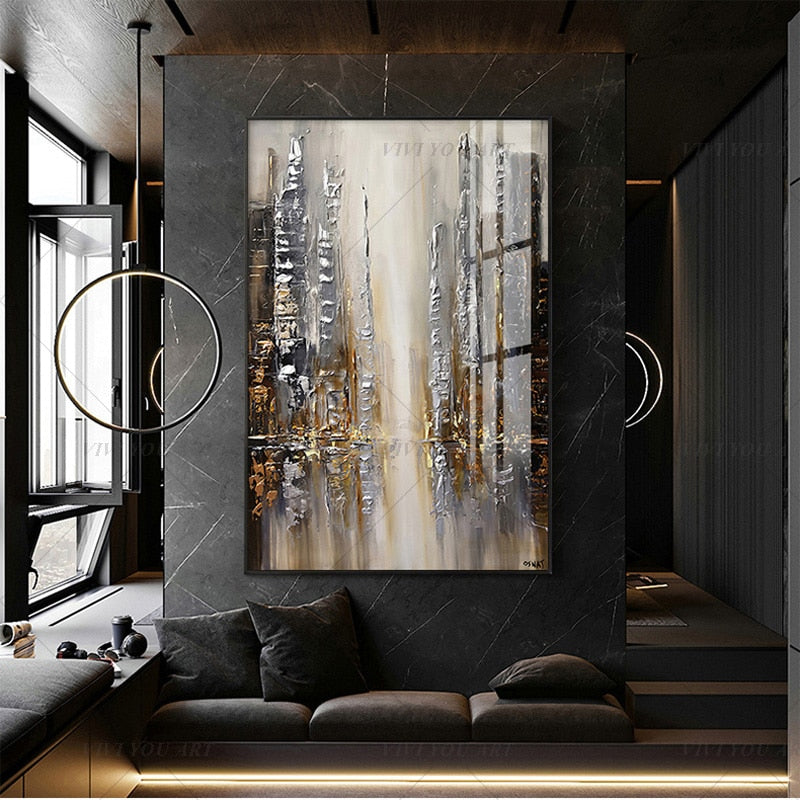
1. Check the Canvas Material (This Matters More Than You Think)
High-quality canvas is typically made from:
-
Cotton or cotton-blend fabric
-
Thick, tightly woven texture
-
Matte surface that reduces glare
Cheap versions use thin polyester sheets that feel plastic-like and reflect light unnaturally.
A real canvas should resemble painter’s canvas — not a banner.
2. Look at the Frame Construction
A premium canvas is stretched over a solid wooden frame, not MDF scraps or flimsy materials.
Signs of quality:
-
Straight, rigid structure
-
Thick stretcher bars (usually 1.5–3 cm)
-
No bending when lightly pressed
-
Clean corner joints
Weak frames lead to warping over time — especially in humid environments.
3. Ask About Printing Technology
Professional canvas prints use:
-
High-resolution giclée or archival ink printing
-
UV-resistant inks
-
Deep color saturation without oversharpening
Low-end prints often fade within months because they use basic inkjet methods.
Good printing should maintain clarity even when viewed up close.
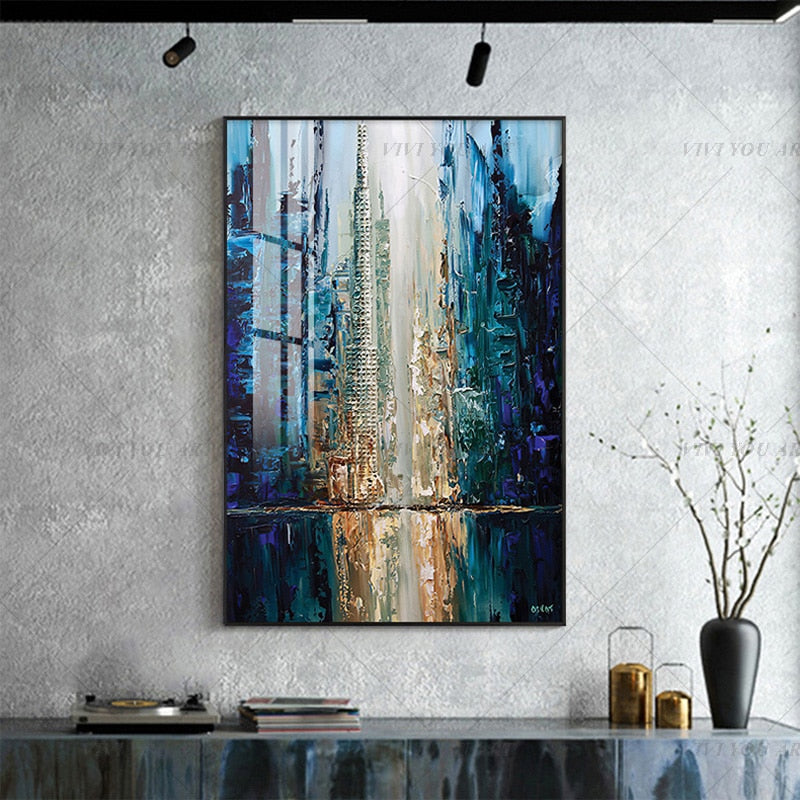
4. Examine Edge Wrapping (Gallery Wrap vs. Basic Fold)
A quality canvas uses a gallery wrap, where the artwork continues around the edges.
This allows it to hang beautifully without needing a frame.
Cheap alternatives:
-
Stapled edges visible on the sides
-
Printed area stopping abruptly
-
Loose folding at corners
Gallery wrapping is one of the easiest signs of craftsmanship.
5. Weight Is a Hidden Quality Indicator
High-quality canvas prints feel substantial when held.
Lightweight pieces often mean:
-
Thin fabric
-
Hollow frame
-
Lower durability
A properly built canvas has reassuring weight because of real materials.
6. Color Should Look Natural — Not Glossy
Premium canvas absorbs ink slightly, producing:
-
Soft tonal transitions
-
Depth and texture
-
A non-reflective finish
If the artwork looks shiny like a poster, it’s likely not true canvas quality.
7. Mounting Hardware Should Be Included
A well-made canvas arrives ready to hang with:
-
Pre-installed hooks or wire
-
Balanced support
-
Clean backing
If hardware is missing, that’s often a sign of mass production rather than thoughtful manufacturing.
8. Read Product Descriptions Carefully (Most People Skip This)
Look for keywords like:
-
Archival quality
-
Hand-stretched
-
Solid wood frame
-
Fade-resistant inks
-
Gallery wrap finish
Vague descriptions like “printed image décor” often indicate lower standards.
Why This Matters in 2026
As online art buying continues to grow, so does the gap between decorative prints and well-crafted wall art.
A high-quality canvas:
-
Lasts for years
-
Maintains color and structure
-
Elevates your interior immediately
A cheap one becomes something you replace — costing more over time.
Quick Checklist Before You Buy
Use this 5-second test:
✔ Thick cotton canvas
✔ Solid wood frame
✔ Gallery-wrapped edges
✔ Matte, non-gloss finish
✔ Fade-resistant printing
If a product doesn’t clearly mention these, think twice.
Final Thoughts
Buying canvas art shouldn’t feel like a gamble.
When you know what to look for, you can confidently choose pieces that don’t just fill a wall — they become part of your home.
Quality wall art is less about price, and more about materials, construction, and intention.
Next Step: Learn how to style multiple canvas pieces together without making your wall feel cluttered.