
How to Make Your Living Room Look Designer-Approved (Without Hiring One)
A well-designed living room isn’t about spending more.
It’s about making fewer, smarter decisions.
Professional designers don’t rely on expensive furniture to create impact. They focus on proportion, balance, and visual flow — elements that most homes overlook.
The good news? These principles are easy to apply once you understand them.
Here’s how to transform your living room into a space that feels intentional, polished, and elevated.
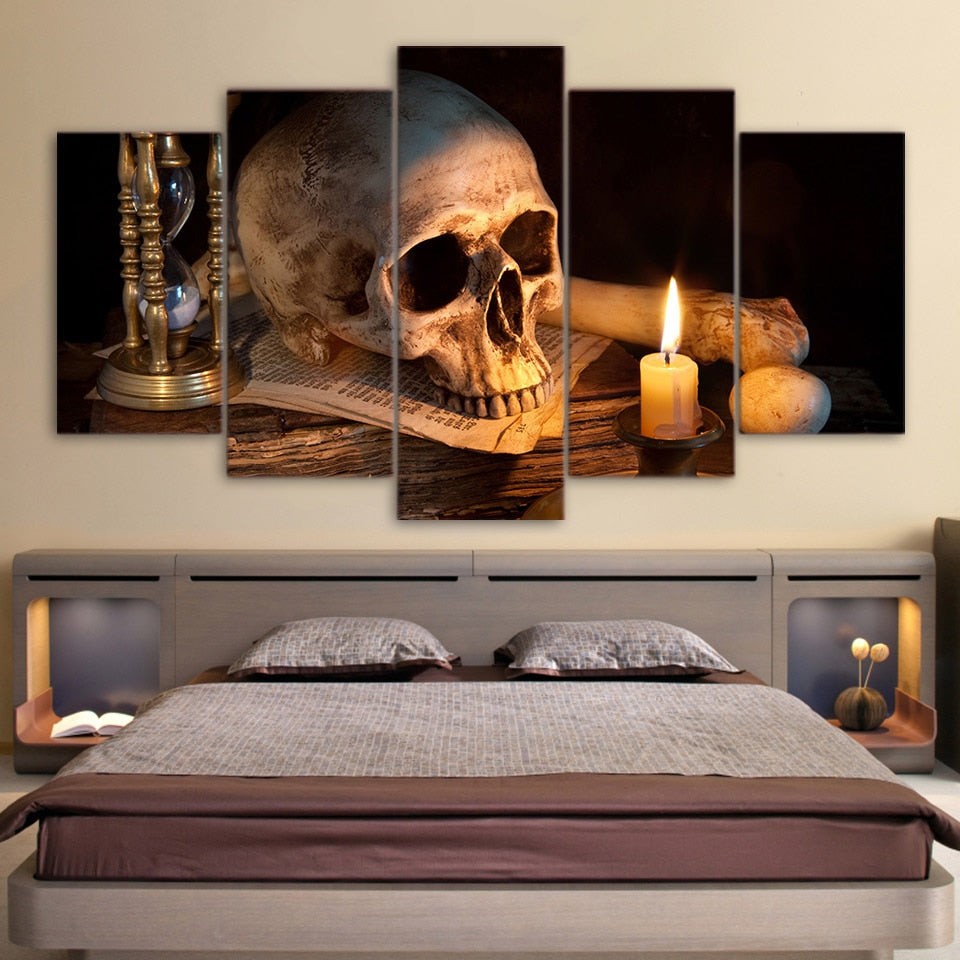
1. Start With the Layout, Not the Decor
Most people decorate first and arrange later. Designers do the opposite.
Before adding anything new, evaluate how your furniture sits in the room:
-
Is everything pushed against the walls?
-
Is there a clear focal point?
-
Does the layout invite conversation?
Pull furniture slightly inward to create a defined zone, even in small spaces.
This instantly makes the room feel curated rather than accidental.
2. Anchor the Room With One Statement Element
Every designer-led space has a visual anchor — something that quietly commands attention.
This could be:
-
A large piece of wall art
-
A sculptural light fixture
-
A bold sofa in a neutral room
Without a focal point, a room feels scattered.
With one, everything begins to relate to it.
Oversized wall art is often the simplest way to establish that anchor without adding clutter.
3. Use the Rule of Three (It Creates Natural Balance)
Designers rarely style items alone. They group objects to create rhythm.
Try arranging decor in groups of three:
-
Different heights
-
Similar tones
-
Varied textures
This works on coffee tables, shelves, and sideboards.
The result feels layered — but never busy.
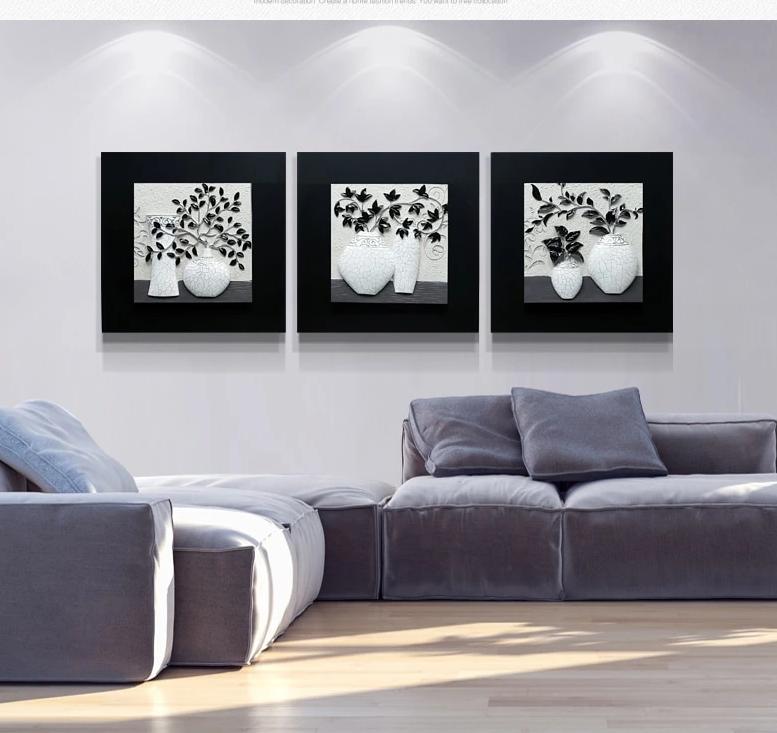
4. Let Scale Do the Work
Undersized decor is one of the biggest reasons rooms feel unfinished.
Common mistake:
-
Small art above a large sofa
-
Tiny rugs floating in the middle of the room
-
Accessories that visually disappear
Correct scale creates confidence in a space.
Quick fix:
Art above a sofa should span about two-thirds of its width.
Once scale is right, the room immediately feels more intentional.
5. Simplify the Color Story
Designer spaces don’t use more colors — they use fewer, repeated consistently.
Choose:
-
One dominant tone
-
One supporting neutral
-
One subtle accent
Repeat these shades across textiles, art, and decor.
This creates harmony without feeling staged.
6. Add Texture Instead of More Objects
If a room feels flat, the answer isn’t more decor — it’s more material contrast.
Layer textures like:
-
Linen
-
Wood
-
Soft textiles
-
Matte finishes
-
Canvas wall art
Texture creates visual richness while keeping the space calm and livable.
7. Leave Space Empty (Yes, Really)
One of the most overlooked design tools is restraint.
Not every wall needs filling.
Not every surface needs styling.
Empty space allows key pieces to stand out.
This is what separates a designed room from a decorated one.

The Designer Mindset to Remember
A beautiful living room is not built by adding more.
It’s built by choosing what matters — and letting everything else support it.
Focus on:
-
Clear focal points
-
Proper scale
-
Consistent tones
-
Breathing room
These decisions cost nothing, but they change everything.
Want an easy first step?
Start with the wall your eye lands on when entering the room.
Define that space with one strong visual element, and the rest of the room will naturally follow.
Because great design isn’t complicated — it’s intentional.
Next in this series: Choosing the Right Wall Art Size for Your Space (Most People Get This Wrong).