
Minimalist Wall Decor Ideas That Make Small Spaces Feel Bigger
Small spaces don’t need more things.
They need better visual decisions.
When a room feels tight or cluttered, the solution isn’t adding storage or rearranging furniture again. Often, it’s about reducing noise and letting the space breathe — visually.
Minimalist wall styling is one of the most effective ways to make a compact home feel open, calm, and intentional.
Here’s how to do it without making the room feel empty.
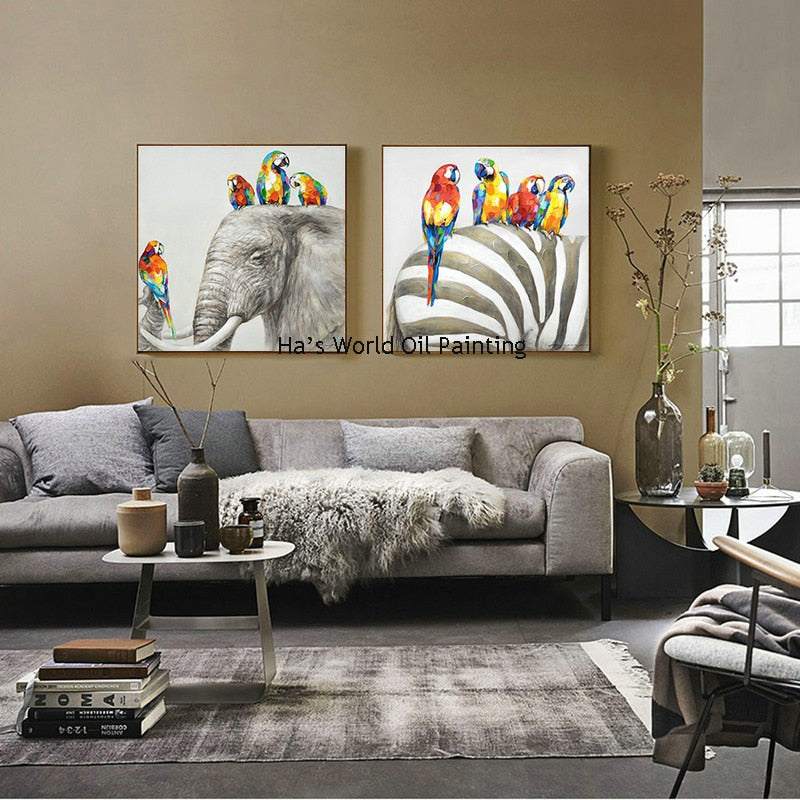
1. Choose One Large Piece Instead of Many Small Ones
It sounds counterintuitive, but a single large artwork makes a small room feel bigger than multiple small frames.
Why?
Because many small objects create visual fragmentation.
One bold piece creates continuity.
Your eye moves smoothly across the wall instead of stopping repeatedly — which makes the space feel expansive.
2. Stick to a Soft, Cohesive Color Palette
High contrast can feel energetic, but in small rooms it often creates tension.
Instead, lean into:
-
Warm neutrals
-
Muted earth tones
-
Soft monochrome layers
-
Gentle texture over bold color
This doesn’t mean boring — it means controlled.
Minimalist spaces rely on harmony, not decoration.
3. Let Negative Space Become Part of the Design
Minimalism is not about removing personality.
It’s about allowing each element to matter.
Leave sections of wall intentionally blank so the artwork you do use feels framed and important. This visual pause gives the room breathing room — something small interiors desperately need.
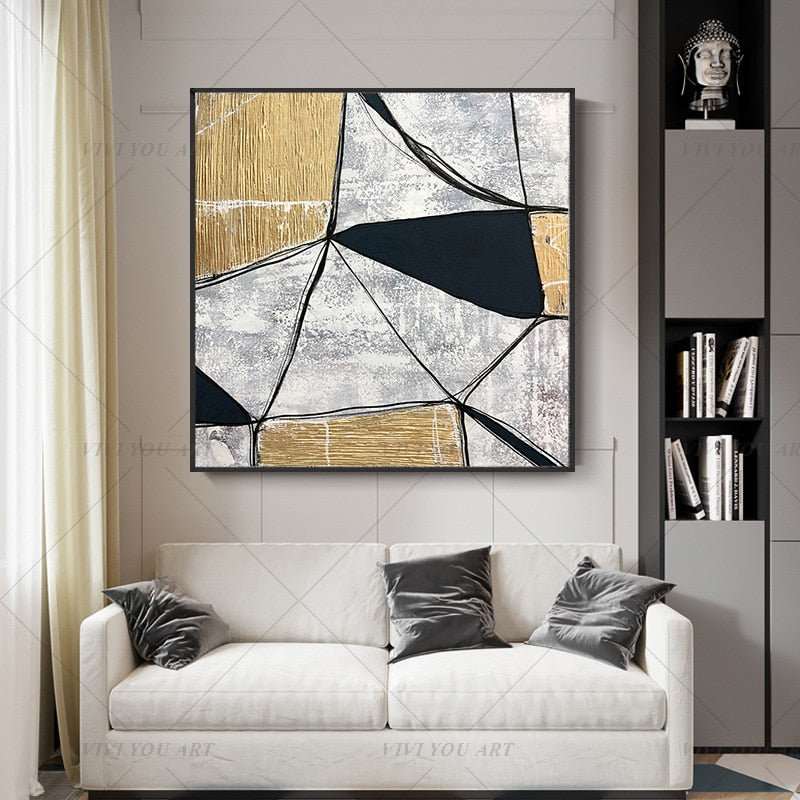
4. Use Art to Create Depth, Not Clutter
Flat decor can make walls feel closer than they actually are.
Look for pieces that include:
-
Layered tones
-
Subtle texture
-
Organic shapes
-
Soft transitions of light and shadow
These elements create depth perception, which tricks the eye into reading the room as larger.
5. Align Artwork With Furniture Width
When art is too narrow compared to what sits beneath it, the imbalance makes the wall feel compressed.
Follow the proportional rule:
Artwork should span roughly two-thirds of the furniture below it.
This creates a clean horizontal line that visually stretches the room.
6. Avoid the “Fill Every Corner” Instinct
One of the biggest small-space mistakes is trying to decorate every available surface.
Minimalist styling works because it prioritizes:
-
Fewer pieces
-
Stronger presence
-
Clear visual hierarchy
Instead of asking “What else can I add?”
Ask “What can I remove so this stands out?”
7. Think of Wall Decor as Architecture, Not Accessories
In compact homes, wall art shouldn’t feel like decoration.
It should feel like part of the structure — almost like a window or material change.
When chosen thoughtfully, a single well-scaled piece can define the entire mood of the room without needing anything else.
Small Space Design Is About Calm, Not Size
A room doesn’t feel spacious because of square footage.
It feels spacious because it allows the eye — and the mind — to rest.
Minimalist wall decor helps create that clarity.
And clarity is what transforms a tight layout into a comfortable home.
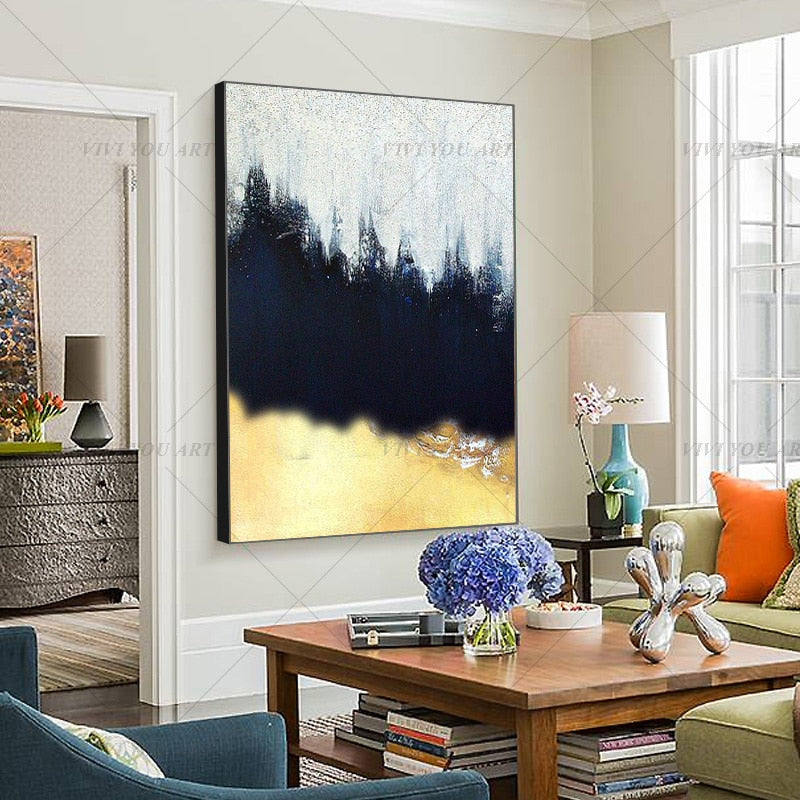
Want to See How Minimalism Works in Real Spaces?
Explore wall pieces designed specifically for modern, compact interiors — where scale, tone, and texture are balanced to enhance space rather than overwhelm it.
SallyHomey collections focus on statement simplicity, helping small homes feel intentional, open, and livable without adding clutter.
Browse minimalist-ready designs or continue reading for more practical styling guides to refine your space step by step.
Next in this series: How to Decorate a Blank Wall Without Making It Look Overdone.