
Stop Searching for the “Perfect Style” — Do This Instead
The Myth of the “Perfect Style”
Many homeowners feel stuck because they’re trying to label their space:
Is it modern?
Minimalist?
Transitional?
Contemporary?
The search for a defined style often leads to hesitation, second-guessing, and rooms that feel forced rather than natural.
Professionally designed homes rarely begin with a label.
They begin with how the space should feel.
Why Chasing Trends Creates Disconnected Spaces
When decisions are based on trends instead of intention:
-
Items don’t relate to each other over time
-
The home feels inconsistent from room to room
-
Updates become constant (and expensive)
-
The space reflects what’s popular — not what’s personal
Trends change quickly. A well-designed home should not.
Designers Focus on Atmosphere, Not Categories
Instead of asking “What style is this?” designers ask:
-
Should this room feel calm or energetic?
-
Should it feel open or grounded?
-
Should it inspire focus, relaxation, or connection?
Once that emotional direction is clear, every design decision becomes easier — and more cohesive.
The Anchor-First Method That Simplifies Everything
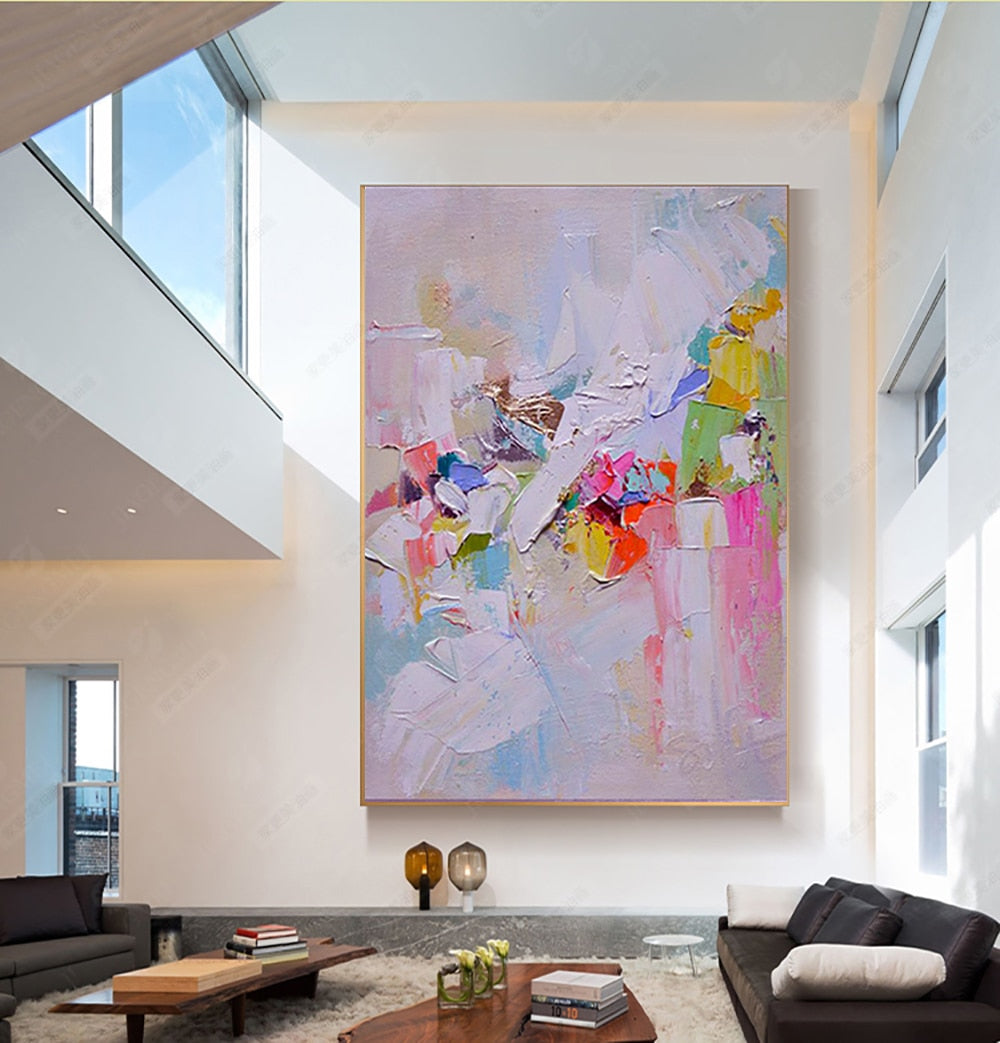
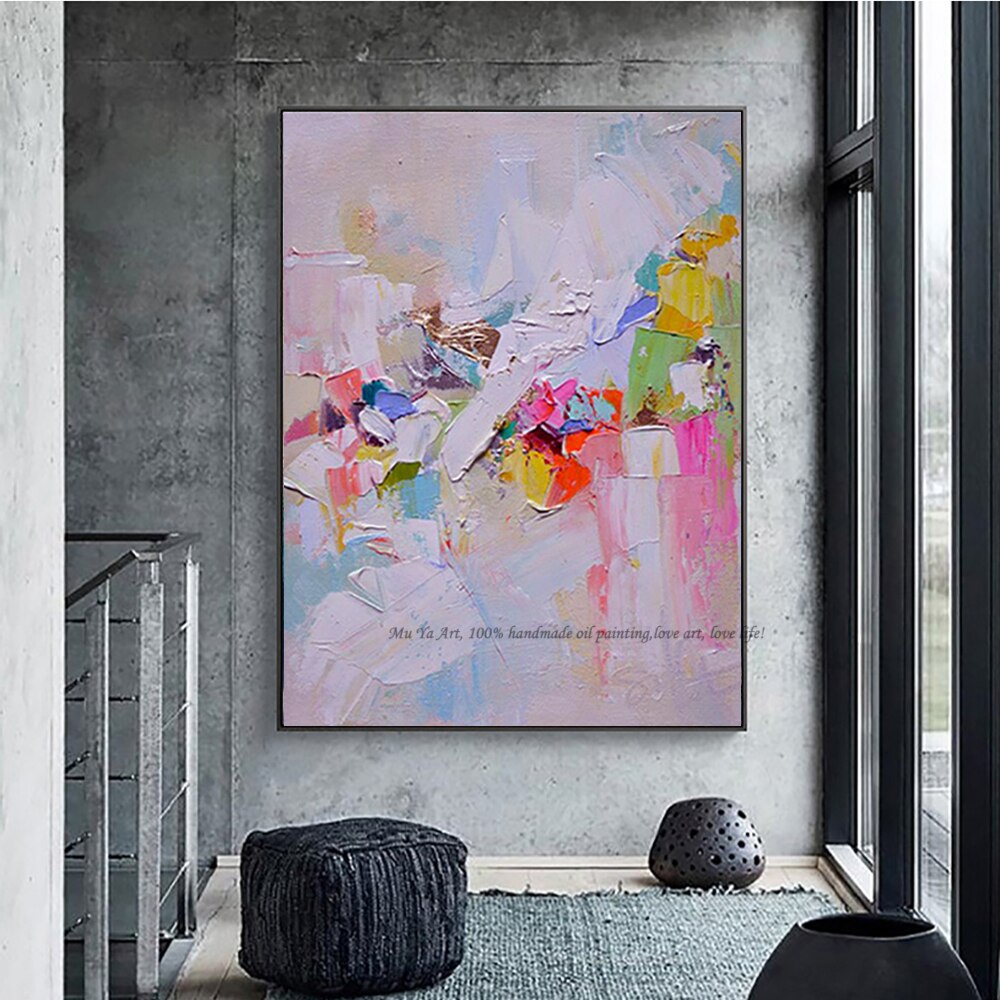
One of the most effective ways to define a space is to begin with a strong visual anchor, often through intentional wall art.
This single element:
-
Establishes tone and personality
-
Guides color relationships naturally
-
Reduces the need for excessive decorating
-
Helps the room feel designed from the start
Rather than assembling pieces randomly, you build around a clear focal point.
Why Walls Are the Best Place to Define Your Space
Unlike furniture, which must serve practical needs, wall décor communicates identity without affecting functionality.
That makes it ideal for:
-
Setting mood without clutter
-
Creating cohesion across open layouts
-
Updating a space without major changes
-
Adding depth while keeping simplicity intact
It’s a flexible layer that shapes perception instantly.
A Cohesive Home Isn’t About Matching — It’s About Balance
Many people try to coordinate everything too precisely.
But spaces feel richer when elements relate through mood and proportion instead of exact color matching.
When a room has:
-
Balanced scale
-
A clear focal point
-
Complementary textures
-
Intentional negative space
It naturally feels unified — regardless of style label.
Let the Space Evolve With You
Your home shouldn’t feel locked into a trend from a specific year.
It should be able to adapt as your life, routines, and preferences change.
Starting with timeless visual anchors allows:
-
Easy updates over time
-
Less need to replace foundational pieces
-
A design that feels lasting rather than temporary
This approach creates longevity instead of cycles of redesign.
Confidence Comes From Clarity, Not Categories
When you stop trying to define your home by a trend, you gain freedom to design based on comfort, function, and emotion.
The result is a space that:
-
Feels natural every day
-
Looks cohesive without trying too hard
-
Reflects your lifestyle rather than a showroom
-
Remains relevant year after year
That’s the difference between decorating and designing.
Start With One Intentional Choice
If your home feels directionless, don’t start over.
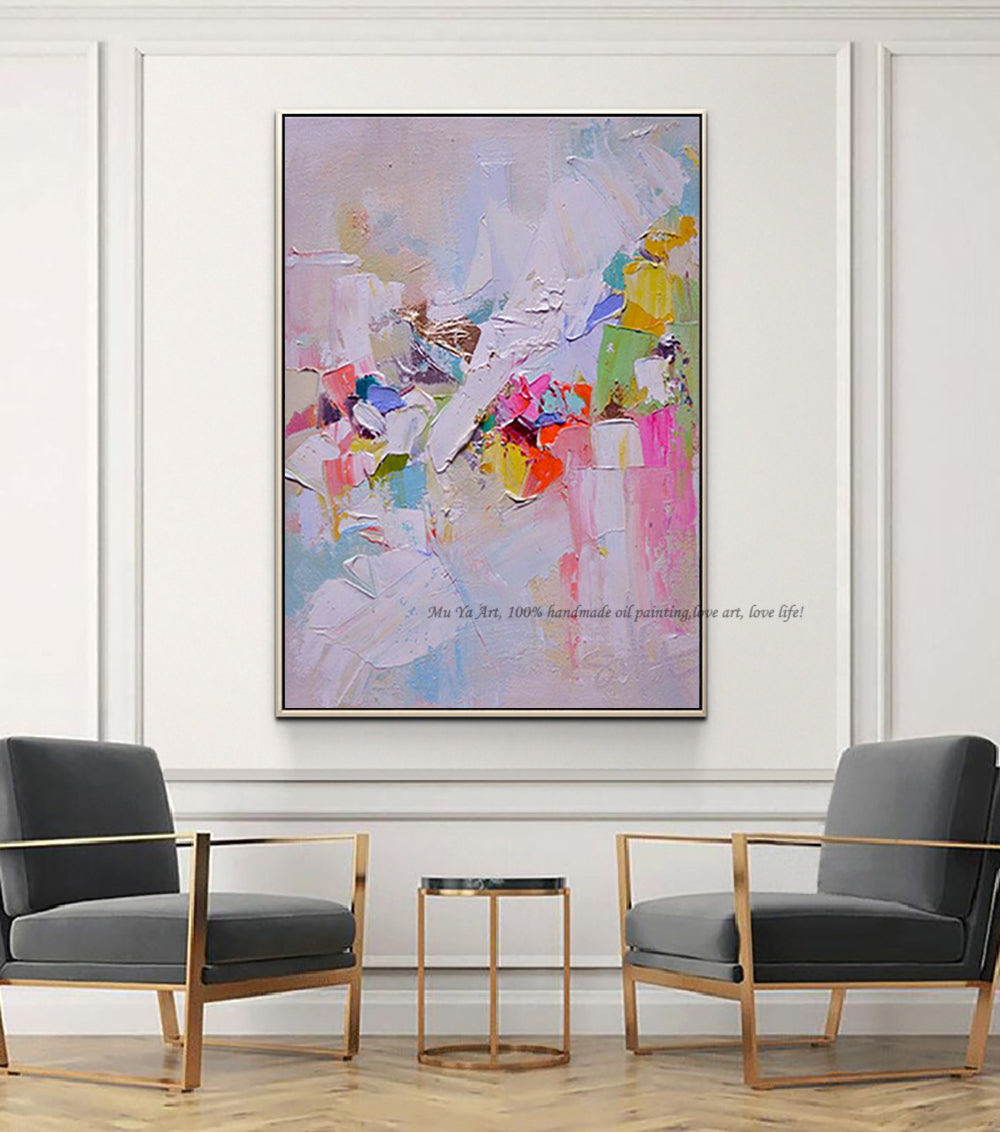
Start with a single meaningful addition that sets the tone for everything else.
Explore curated canvas wall art at Sallyhomey.com to create a foundation that brings clarity, cohesion, and lasting character to your space.