
Wall Art Size Guide by Wall Dimensions (Never Buy the Wrong Size Again)
The most common mistake people make when buying wall art is simple:
They choose a piece that’s too small.
Even beautiful artwork can look awkward if the scale doesn’t match the wall.
Getting the size right is what makes art feel intentional — and professionally styled.
This guide will help you choose the correct dimensions before you buy.
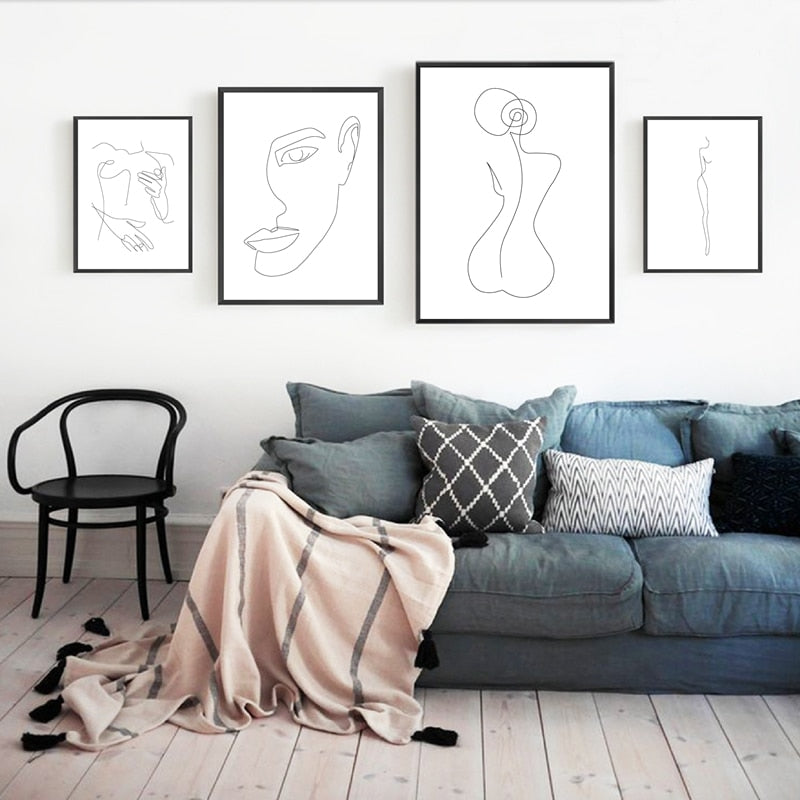
The Golden Rule: Art Should Fill 60–75% of the Wall Space
Instead of guessing, designers use proportion.
Your artwork should occupy about 60–75% of the available wall width (not the entire wall).
This creates balance without overwhelming the space.
If it’s smaller than 50%, it will feel disconnected.
If it’s larger than 85%, it may feel cramped.
Step 1: Measure the Wall — Not Just the Furniture
Start by measuring the open wall area where the art will go.
Exclude:
-
Side margins
-
Nearby shelves or lighting
-
Architectural features
You want the visual space, not the total wall.
Step 2: Use This Simple Size Formula
Wall Width × 0.6 to 0.75 = Ideal Artwork Width
Example:
-
200 cm wall → Art should be about 120–150 cm wide
-
300 cm wall → Art should be about 180–225 cm wide
This formula works across living rooms, bedrooms, and dining spaces.
Recommended Sizes by Common Wall Types
Above a Sofa (Most Important Placement)
Artwork width should equal:
Two-thirds of the sofa width.
Example:
-
240 cm sofa → Choose artwork 150–180 cm wide
Height should remain visually balanced — not too tall or narrow.
Above a Bed
Use one large horizontal piece or a triptych layout.
Ideal width:
65–75% of bed width
This creates a calm, grounded focal point without overpowering the room.
Large Blank Feature Wall
For wide open walls, go bigger than you think.
Recommended widths:
-
140–160 cm → Medium-large statement
-
160–200 cm → Strong focal presence
-
200 cm+ → Gallery-scale impact
Large walls need visual weight to feel complete.
Small Apartment Walls
Avoid using many tiny pieces.
Instead, choose:
-
One medium statement (90–120 cm wide)
-
Clean spacing around it
This prevents clutter while still giving the wall purpose.
Height Placement Matters as Much as Width
Correct hanging height:
Center of artwork ≈ 145–150 cm from the floor.
This aligns with natural eye level and keeps the art connected to the living space.
Hanging art too high is what makes rooms feel unbalanced.
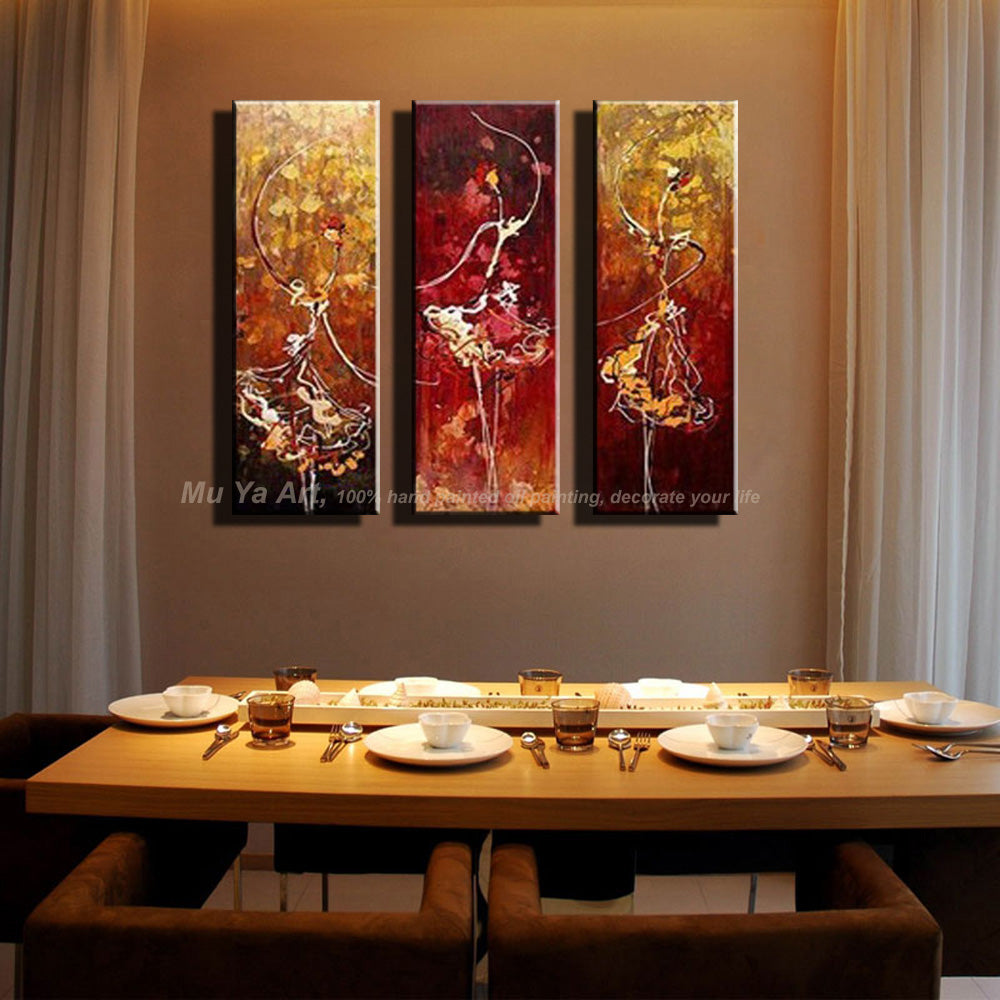
Multi-Panel (Triptych) Sizing Rules
When using 3 panels:
-
Total width should follow the same 60–75% rule
-
Keep spacing between panels around 3–5 cm
-
Treat the entire set as one piece visually
Triptychs work especially well for wide furniture like sofas or beds.
Quick Size Cheat Sheet
| Wall Width | Ideal Art Width |
|---|---|
| 150 cm | 90–110 cm |
| 200 cm | 120–150 cm |
| 250 cm | 150–185 cm |
| 300 cm | 180–225 cm |
| 350 cm+ | 200 cm+ |
Use this as a fast reference when shopping online.
Why Size Matters More Than Style
People often focus on choosing the “right image,” but scale has a bigger impact than subject matter.
Correctly sized art:
-
Makes rooms feel professionally designed
-
Anchors furniture visually
-
Creates stronger focal points
-
Reduces the need for extra décor
Even simple artwork looks luxurious when the scale is right.
Final Thoughts
Before choosing colors or themes, choose the right size.
Wall art should relate to your space architecturally — not just decorate it.
When proportion is correct, everything else falls into place naturally.
Next Step: Learn how oversized art can transform large empty walls without making your space feel heavy or crowded.