
Where to Hang Wall Art in Every Room (Placement Guide for Perfect Balance)
Buying the right wall art is only half the job.
Where you hang it determines whether your space feels polished — or awkward.
Many homes have beautiful artwork placed too high, too small, or disconnected from furniture. The result? The room feels unfinished even though the art itself is great.
Here’s a simple, room-by-room guide to placing wall art correctly.
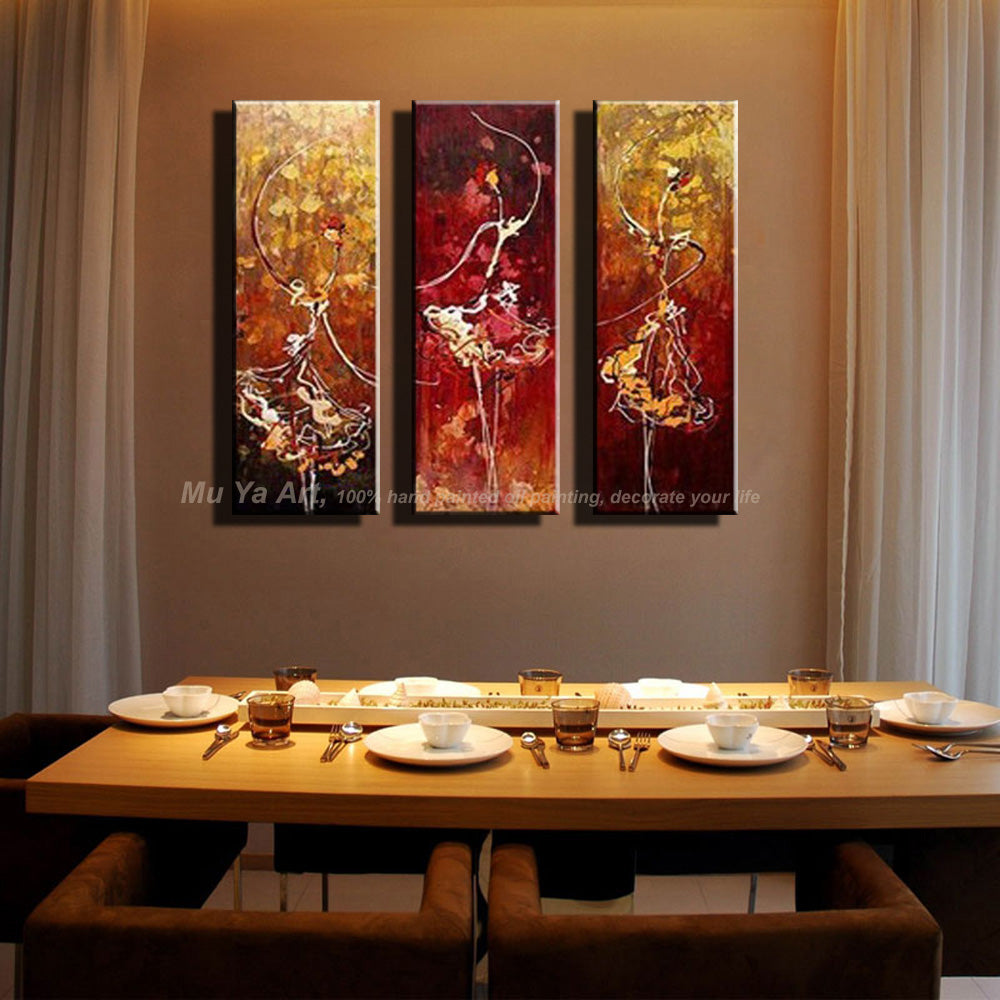
The Universal Rule: Hang Art at Eye Level
This is the most important principle in interior design.
The center of your artwork should sit about 145–150 cm (57–60 inches) from the floor.
This aligns with natural eye level and prevents the “floating too high” mistake that happens in many homes.
If you remember only one rule, remember this one.
Living Room: Anchor Art to the Sofa
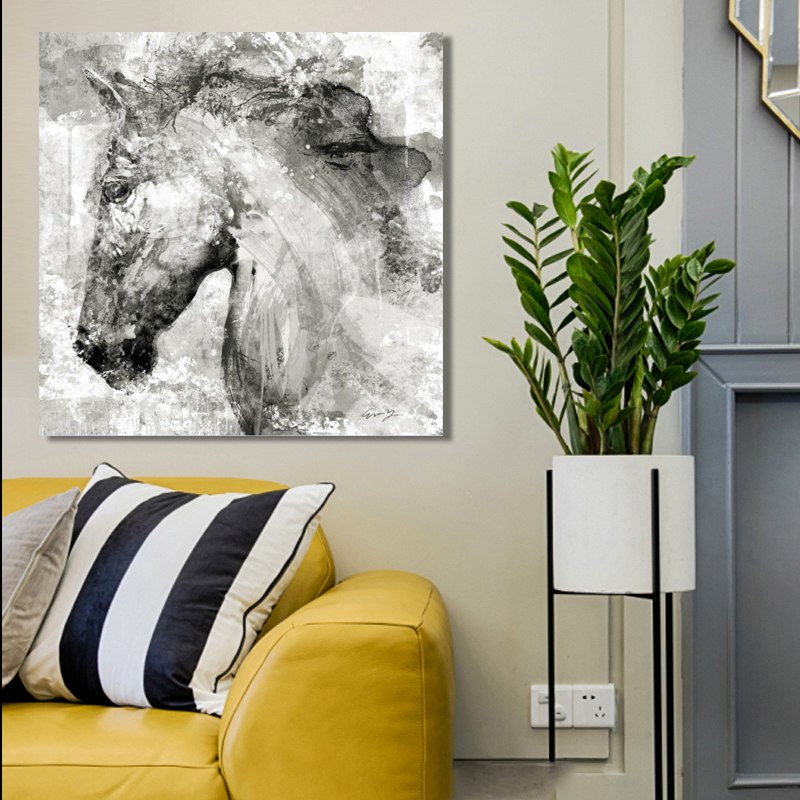
Wall art above a sofa should never float independently.
Follow these guidelines:
-
Width of artwork = 60–80% of sofa width
-
Bottom of artwork = 15–25 cm above the sofa
-
Use one large piece or a structured multi-panel layout
This visually connects furniture and wall into one cohesive composition.
Bedroom: Center Art Above the Headboard
In bedrooms, wall art should enhance calmness, not dominate.
Placement tips:
-
Center artwork horizontally with the bed
-
Leave 15–20 cm space above the headboard
-
Choose soft visuals rather than high-contrast imagery
Oversized pieces work especially well here because they create a grounded, hotel-like feel.
Dining Room: Hang Slightly Lower for Intimacy
Dining areas benefit from slightly lower placement since people are seated.
Guideline:
-
Center artwork around seated eye level
-
Choose medium-to-large pieces that add presence without crowding
-
Align with table width for balance
Lower placement makes the space feel warmer and more connected.
Hallways: Keep Alignment Consistent
Hallways are about rhythm and flow.
Best practices:
-
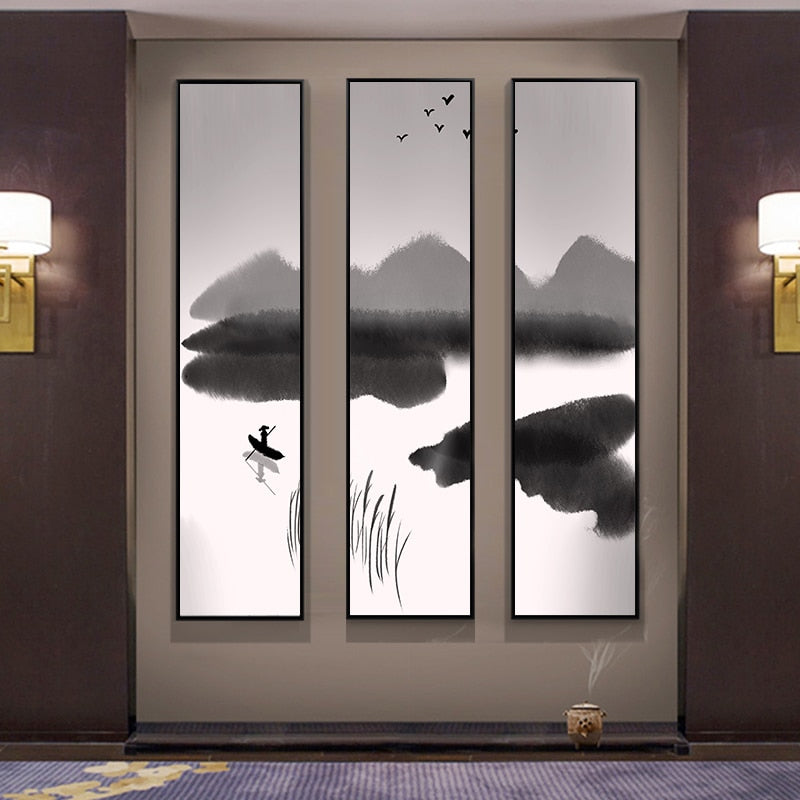
Maintain the same center height for all pieces
-
Use a linear arrangement for clarity
-
Avoid mixing dramatically different sizes
Consistency helps guide movement through the space.
Entryway: Make a Strong First Impression
Your entry sets the tone for the home.
Use:
-
A bold single piece or a clean pair
-
Placement at standard eye level
-
Enough breathing room so the wall doesn’t feel cramped
This creates an intentional welcome rather than visual noise.
Above Consoles, Cabinets, or Sideboards
Treat these like sofa placements:
-
Artwork width = about two-thirds of furniture width
-
Leave a 10–20 cm gap above the surface
-
Avoid pieces that are too small — they get lost quickly
The goal is to visually “attach” the artwork to the furniture below.
What About Tall Ceilings?
Many people assume art should be hung higher in tall rooms.
It shouldn’t.
Keep art at human eye level and let the empty upper wall create spaciousness. Raising artwork too high disconnects it from the living space.
When to Use Oversized vs. Multiple Pieces
Choose oversized art when:
-
You want a clean, modern focal point
-
The wall is wide and uninterrupted
-
You prefer simplicity
Choose multiple pieces when:
-
Filling transitional areas like hallways
-
Creating storytelling or personality
-
Working with narrower wall sections
Both work — placement and proportion matter more than quantity.
Common Placement Mistakes to Avoid
✖ Hanging art too close to the ceiling
✖ Choosing pieces that are too small for the wall
✖ Ignoring alignment with furniture
✖ Spacing gallery walls inconsistently
✖ Treating art as an afterthought rather than part of layout
Correct placement makes even simple artwork feel intentional.
The Placement Formula Designers Use
Align to people.
Relate to furniture.
Respect proportion.
When those three principles are followed, wall art naturally feels right.
Final Thoughts
You don’t need more décor — you need better placement.
The right artwork, hung at the right height and proportion, can transform how an entire room feels without changing anything else.
Wall art isn’t just decoration.
It’s structure for your space.
Next Step: Learn how to choose wall art based on your interior style so everything feels cohesive from the start.