
Why Your Walls Feel Empty (And the Simple Fix Designers Use)
The Problem Isn’t Your Furniture — It’s Your Walls
Many homes look “almost finished” but still feel cold, flat, or lacking personality.
You may already have:
-
A comfortable sofa
-
Beautiful lighting
-
Thoughtfully chosen décor
Yet the space still doesn’t feel complete.
That missing layer is visual anchoring — and it almost always comes from what’s (not) happening on the walls.

Why Empty Walls Make a Room Feel Unfinished
Walls occupy the hookup point between architecture and lifestyle.
When they’re left blank, the room lacks:
-
A focal point for the eye to settle
-
Emotional warmth and storytelling
-
Scale balance between furniture and structure
-
Depth and texture that create atmosphere
This is why a fully furnished room can still feel like a rental unit.
The Simple Fix Designers Always Use
Professional designers rarely add more objects to fix a space.
Instead, they introduce intentional wall art to define the room’s identity.
One well-chosen canvas can:
-
Anchor the entire layout
-
Connect color tones naturally
-
Make furniture feel placed — not floating
-
Transform the emotional tone instantly
It’s not about filling space. It’s about creating visual purpose.
Think of Wall Art as Architecture, Not Decoration
Most people treat wall décor as an afterthought.
Designers treat it as a structural layer of the room.
Wall art functions like:
-
A visual “window” that expands space
-
A bridge between textures and materials
-
A calm focal point that reduces visual chaos
When chosen correctly, it feels essential — not added.
The Biggest Mistake People Make
They choose pieces that are:
-
Too small for the wall
-
Too busy for the room
-
Disconnected from the home’s mood
-
Hung too high or scattered randomly
This creates more visual confusion, not clarity.
The solution isn’t more art.
It’s the right scale, tone, and placement.
What Actually Works in Real Homes
Instead of overthinking styles, focus on three fundamentals:
1. Scale First, Style Second
Art should relate to the size of your furniture, not float above it.
Large-scale canvases create confidence and cohesion.

2. Choose Mood, Not Matching Colors
Forget matching pillows or rugs.
Select artwork that expresses the feeling you want — calm, warm, modern, grounded.
Emotion creates harmony faster than color coordination.
3. Let One Piece Lead the Room
A single strong focal point often works better than a cluttered gallery wall.
This approach feels intentional, clean, and timeless.
Why This Matters More in Modern Living
Today’s interiors prioritize:
-
Open layouts
-
Clean lines
-
Fewer decorative objects
-
Multi-functional spaces
Because of this simplicity, walls now carry more visual responsibility than ever before.
Without them, rooms feel unfinished.
With them, the entire environment gains depth.
The Fastest Way to Change How a Room Feels
You don’t need renovation.
You don’t need new furniture.
You don’t need to redesign everything.
You need to define the space visually.
Thoughtfully selected canvas wall art is one of the few upgrades that:
-
Requires no construction
-
Instantly transforms atmosphere
-
Works across styles and room sizes
-
Continues to feel relevant over time
Design Is About Feeling, Not Filling
A home should feel intentional — not just occupied.
When walls are treated as part of the design story, the space becomes:
-
More welcoming
-
More complete
-
More reflective of the people living there
And that shift doesn’t come from adding more things.
It comes from choosing the right ones.
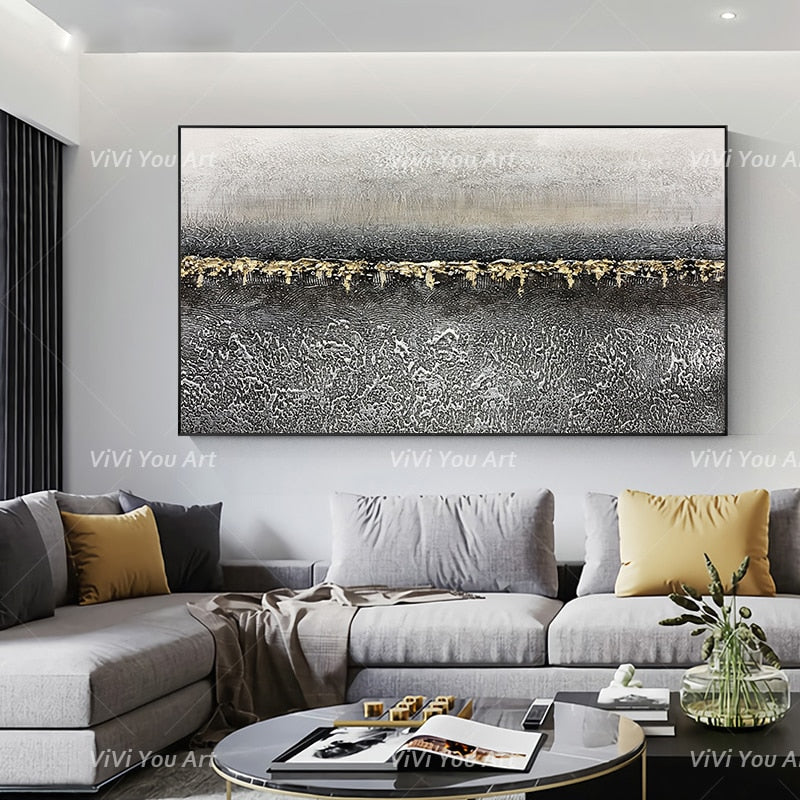
Bring Your Walls to Life
If your home feels like it’s missing something but you can’t explain why, start with the walls.
Explore thoughtfully designed canvas pieces at Sallyhomey.com to create balance, warmth, and a finished look — without the stress of redesigning your space.